Like most people, I love to travel. I’ve been more fortunate than most, seeing a fair share of the world for someone only 21 years old. I’ve embarked on adventures with and without my parents, enjoying the freedom I had during my road trips to Austin, Texas, and my study abroad in Innsbruck, Austria. But for two college students, their trip didn’t end as happily as any of ours have.
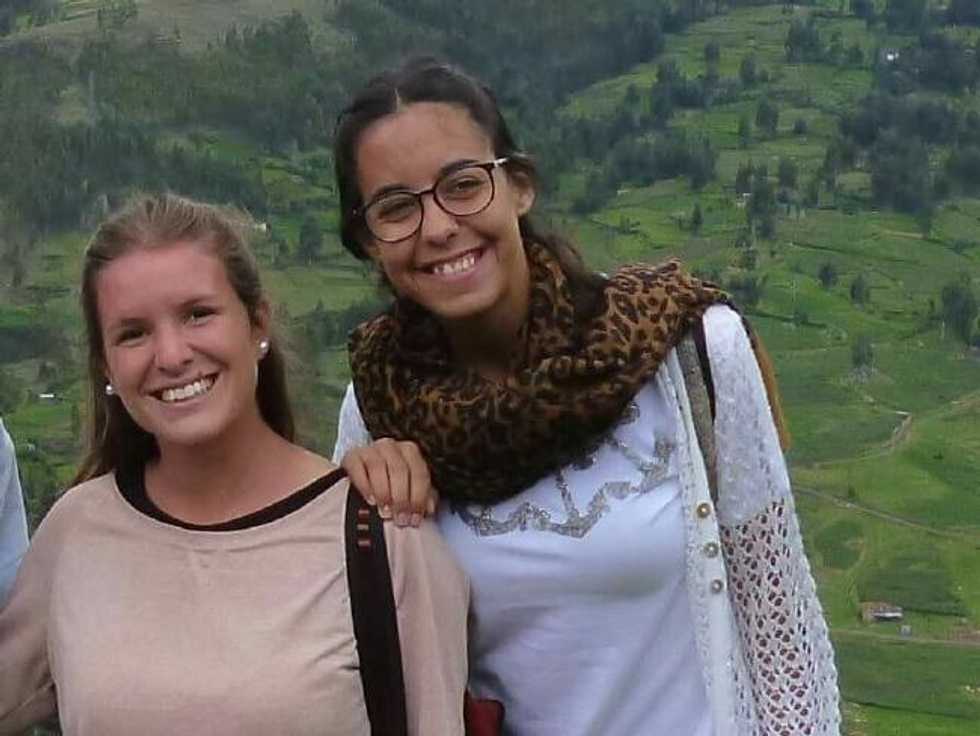
In January, two college women, Marina Menagazzo and Maria Jose Coni, left their homes in Argentina to live an adventure many of us dream of in awful morning classes. Their dream soon turned into a nightmare for their friends and family when the pair went missing on February 22, after visiting beaches in Ecuador.
Family and friends of Marina and Maria Jose started a viral social media campaign, but it was too late. It appears that the girls were sexually assaulted and murdered. They had run out of money after being robbed at the hostel they were staying at, and a friend of a friend offered lodging. The suspect, now detained by Ecuadorian law enforcement, shared that he and his friend were drunk, and when the friend attempted to get intimate with Maria Jose, she resisted. He then hit her with a stick to the head, killing her instantly. The other man stabbed Marina in another room.
Their bodies were found on February 29, close to the beach they had been visiting.
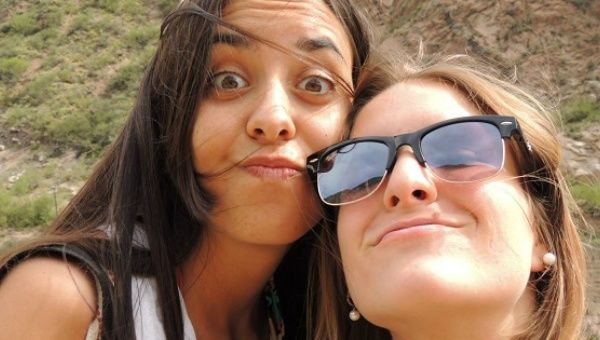
Outsiders have blamed these women for their fates: why were they traveling alone? All women, no matter how many, must be accompanied by a man in order to be considered not alone. Why did the women take a risk? Women should know that they should be prepared to be sexually assaulted and murdered if they choose to travel.
Tired of these “useless questions”, Guadalupe Acosta, a student in Paraguay, wrote a haunting letter on Facebook from the perspective of the victims. The piece is not the victim recounting her death, but instead describing her post-death shame of how little the world felt of her value, because she is a woman.
Translated from Spanish, part of the post reads:
“And only when dead I realized that no, that for the rest of the world I was not like a man. That dying was my fault, and it will always be. While if the headline would have said ‘two young male travelers were killed’ people would be expressing their condolences and with their false and hypocritical double standard speech would demand higher penalty for murderers.”
In support of the article, the hashtag #viajosola (I travel alone) began to trend on Twitter. It held stories and statements from women who want to join the fight against blaming women for their assaults.
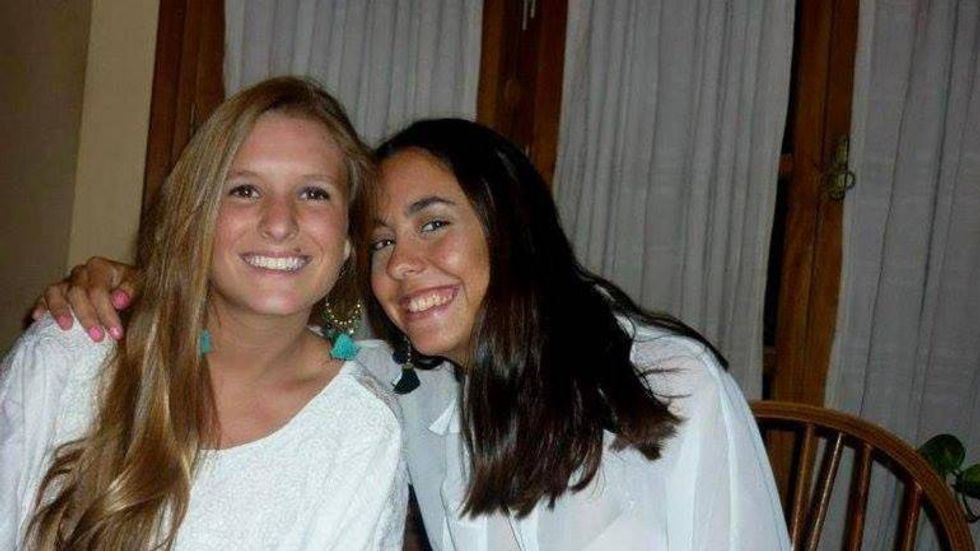
How long will it take the world to get the message that it is never the victim’s fault? No matter where a victim is, who they are with, what they are wearing, and what they have in them, no one asks for assault. It’s a tired tale, but for some reason we still have to say it. Stop teaching women to be careful. Stop teaching women to cover themselves and never leave their homes. Stop teaching How To Not Get Raped. Stop saying, “She was asking for it.” Stop victim blaming.
I am a woman, and I deserve a life of adventure. I deserve to see the world, I deserve to dress how I want, and I deserve to feel safe in every situation. In any given situation, no one has the right to your body or your life, so why should they have the right to mine?