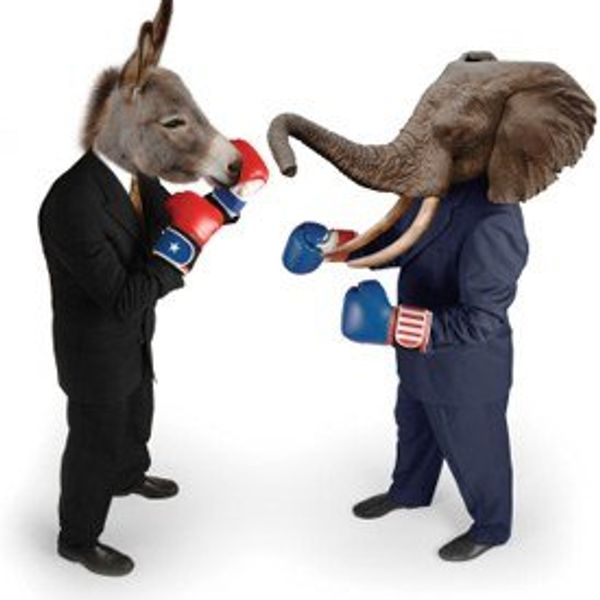

This upcoming presidential election in 2016 will be the first one our generation can fully participate in and sadly, even though we will be the largest voting demographic, we are arguably the least informed. This will also be first time that Twitter will be extremely involved in and out of the election (2012 was just a test run), so get ready for parody accounts’ propaganda to spread far and wide, as they have already started to do.
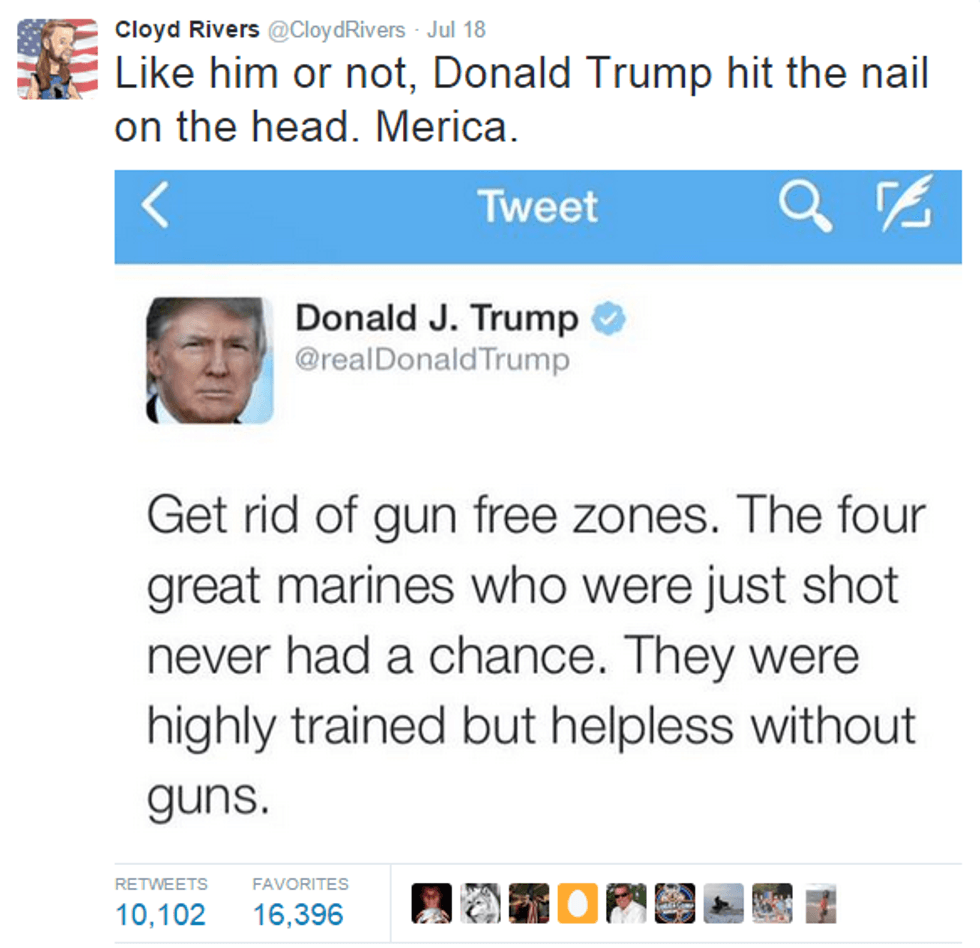
For those of us who were old enough to vote in the 2012 election, statistically, we backed the Democratic Party, essentially because we felt the ominous Republicans hated all social rights. Also, we thought Obama was a cool, young politician who was different from the “old, dry white guys” because in case you didn’t know, he’s black! We backed Obama and in turn were part of a historic vote for American politics. Now, nearly three years later, we are wiser, more mature, and fervent about making an impact on the world. Some of us have started to form our own political opinions, others follow our parents manifesto to a T, and the majority will go to the polls and vote based off of whatever final sway they saw on social media, like sheep.
I implore you! Please do not do this! Stop retweeting and sharing “news” from BS sources! Don’t vote for someone because you identify with a certain political party. Stop giving power to whomever only because they have a family, are good-looking, or are best able to tiptoe around political muck. Stop liking candidates because they support the one social aspect you care about. Don’t vote for Hillary Clinton because she’s a woman, vote for her because you believe in what she says she stands for. Don’t vote for Donald Trump because, “Lol, he was on 'The Apprentice.'” Vote for him because you think he would make a good president. This isn’t a stupid Buzzfeed poll where you get to see if you picked with the majority or ends by telling you how long you would last in a zombie apocalypse. The outcome isn’t bragging rights so you can tell your friends you voted for the winner. This is serious. Instead, inform yourself on the issues.
It isn’t all our fault, though. The political sphere is transitioning to incorporate us but still fails to plainly explain what the issues are. Instead, they assume we know what pro-choice, pro-guns, stay out of Iran, and lower taxes mean. Yes, we know what they mean but because our news is so biased we get a skewed view of what the issue really is. For example, depending on which news outlet you watch, a news report about abortion could have you think the issue is, “Should the government tell a woman what they can or can’t do with their body?” or “Should the government allow murder?” Really the question is, “Do you think abortion should be legal?” Only when you look at all sides of an issue will you be able to make an informed decision. After all, we are college students, the effervescent crème de la crème. If we aren’t making informed decisions, then who the hell is?
I highly suggest you start forming your opinions now so you aren’t scrambling to understand what is going on right when the election hits. But, where do you start? Try searching online and taking tests and quizzes online just to understand what the issues are and where you stand. Sites like The Political Compass, I Side With, and The Advocates are great tools to understand your views. Then, go search what the presidential candidates’ views are and find one or two that you really connect with. In my opinion, it is more important to be informed for the primary elections because sadly, in the general election, most people will vote for their political party candidate anyways.
In short, please understand what you’re voting for and don’t just do what the media says you are going to do.
Here are some common phrases that you sadly might not understand, but really should if you're going to vote.
Primary Election: the elections to see who will represent each political party. Narrowing the party candidates to one (i.e. Bush, Trump, Walker, Huckabee, Paul, Cruz, etc. to represent the Republican Party and Clinton, Sanders, Biden, Webb, etc. to represent the Democrats)
General Election: the actual election to decide the next President (i.e. Obama v. Romney in 2012).
Iowa caucuses: Iowa voters hold their primaries before any other state so they can appear to be a relevant [voting] state.
The Issues: problems that are being debated. For example, should abortion be legal? What, if any, regulations should there be on guns?
Platform: the candidate’s plan or how he/she stands on the issues.