

First things first, if I’ve never been outside of North America, why would I choose Egypt, of all places, to study abroad? I’ll trim the edges of my lengthy college admissions essay to get to the point. Like most children, I had an obsession growing up. However, unlike most children, I wasn’t limited to a rock collection, a VHS worn out from continual use or a tacky band t-shirt from the 80s.
From about the age of 4, I, for some reason, never stopped talking about the Ancient Egyptian culture. When I say that I never stopped talking about it, I’m not exaggerating — ask my family. Now that I live here, when people ask how I stumbled upon the American University in Cairo, I can only offer the explanation that I was a strange child with a strange passion.
Before moving to Egypt in January, I had known for about a year that my spring semester would be spent here. I acknowledged the fact that while my childhood passion had helped me through middle school history classes, it would in no way prepare me for the modern culture. I tried to study up on contemporary Egypt; however, Google also seemed to have a bias towards Ancient Egypt. If you search “Egyptian women’s fashion” with Google, the results yield historical depictions of powerful Ancient Egyptians or promiscuous Halloween costumes. Needless to say, most of what I found online wasn’t useful, as the internet apparently doesn’t know much about modern Egyptian fashion.
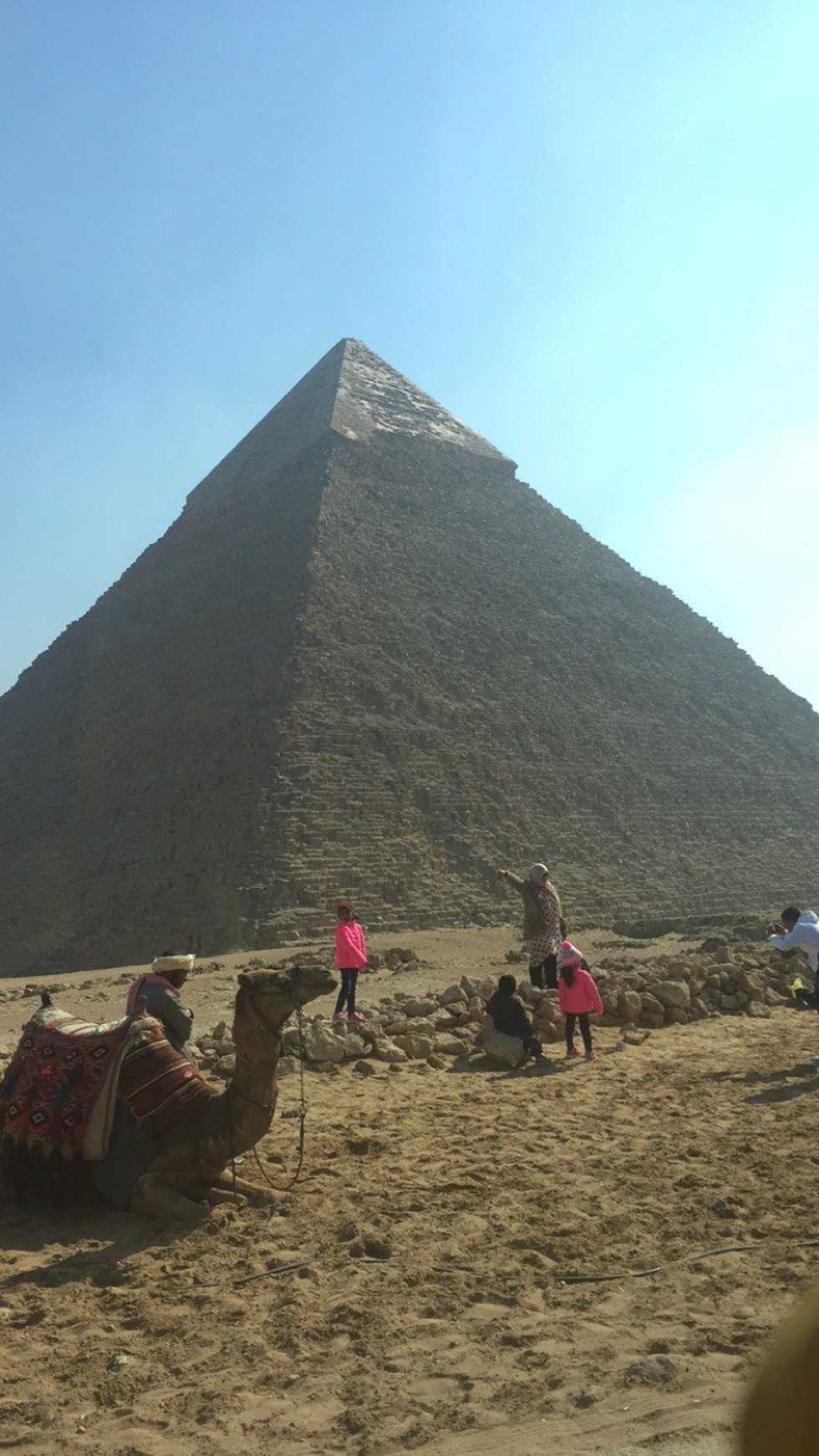
Considering most of our research and knowledge today comes via screens directly to our fingertips, I was overwhelmed by the amount of information I had instead gotten through personal interactions. I heard plenty of times that Egyptian people ride camels everywhere. This, to me, is as ill-informed as other Americans assuming I ride a horse to school because I’m from Montana. If you’ve ever experienced the terrifying talent of Cairene drivers in a city of over 20 million people, you’d never joke that they merely ride camels. The only camels I’ve actually seen in Egypt were in Giza, at the pyramids, toting around sun-kissed, fat foreigners and their hysterical children.
Information pertaining to issues besides Ancient Egypt that does manage to make it out of the country revolves around the apparent violent atmosphere here. People tirelessly probe my family about how they could have possibly let me come to this dangerous place. Dripping with disdain, they nag, “I cannot believe you’re letting her go to that country!” Sure, I’ve been bothered by people on the street. That has also happened to me in Fargo, Chicago and Seattle — which aren’t even on the FBI’s list of big cities with high crime rates. Basically, Cairo is no more threatening than any other big city. In fact, Cairo never appears on any lists of the top 50 most dangerous cities in the world. Most of which are in the Americas, which I’m in much closer proximity to when I’m not in Egypt.
Overall, quite possibly the best information I received about Egypt, from multiple people, had to do with its geography. Before I left, I sometimes would mention in conversations that I’d be moving to Africa in a few months. On multiple occasions, the straight-faced reaction was, “Aren’t you going to Egypt?” The wittiest response I ever came up with was “Yes…” It sounds like a joke, but the fact that no one realizes or considers Egypt to be a part of Africa is shocking. Egyptians are African and Middle Eastern — not that they typically identify either way. Egyptians have a lot of pride for their Egyptian-ness, so maybe that’s where the geographical misperception comes from.
Despite all of these myths I’ve debunked so far, I have noticed a few significant differences in the Egyptian culture that I wasn’t previously warned about. Firstly, they don’t use dryer sheets—which apparently isn’t that uncommon outside of the U.S. Secondly, their paper sizes are much larger than the paper in the notebook I brought from Minnesota; however, I’m again finding North America, and our preference to be different, to be at fault. Thirdly, ice is not a thing here; although, this one is definitely a personal preference. There are some major differences between the U.S. and Egypt, but there are plenty of minor ones. The tourist industry here has been all but obliterated, leading me to understand why the rest of the world seems to have such an abundance of misinformation about Egypt.
The goal here isn’t to berate people for having a lack of knowledge about Egypt. It’s to point out how dissociated the entire world is. Just as many Americans don’t even know the language spoken in Egypt — a colloquial variety of Arabic — many Egyptians associate all Americans with Fox News. It’s also not just Americans and Egyptians; it’s everyone. A serious lack of understanding for other cultures is pervading and continues to isolate societies. I’m definitely not innocent in this situation. I’ll honestly admit that I could only accurately locate less than 15 out of more than 50 countries in Africa on a blank map. I’m trying to broaden my horizons though. The world could be a pretty incredible place if we only took the time to know each other.