In a time in the future when people have realized that processed foods are poisoning our body, this is what it would be like if "Big Food" companies were to write an apology letter to consumers:
Dear Consumers of the United States America,
We have something to say that's been a long time coming: We're sorry. It's not exactly our fault for the epidemic of overweight, obese, and diabetic Americans, but we sure as hell didn't help prevent it. As most of you know, the image of the typical American has really slipped over the years and things have gotten out of hand. It's hard to believe that a 3-year-old toddler from Texas was diagnosed with type 2 diabetes in 2015. We realize that we have exploited you with cheap products due to government subsidies providing us with cheap ingredients, such as wheat and corn. It was nothing personal—we just saw an opportunity to make ridiculous amounts of money, and we did.
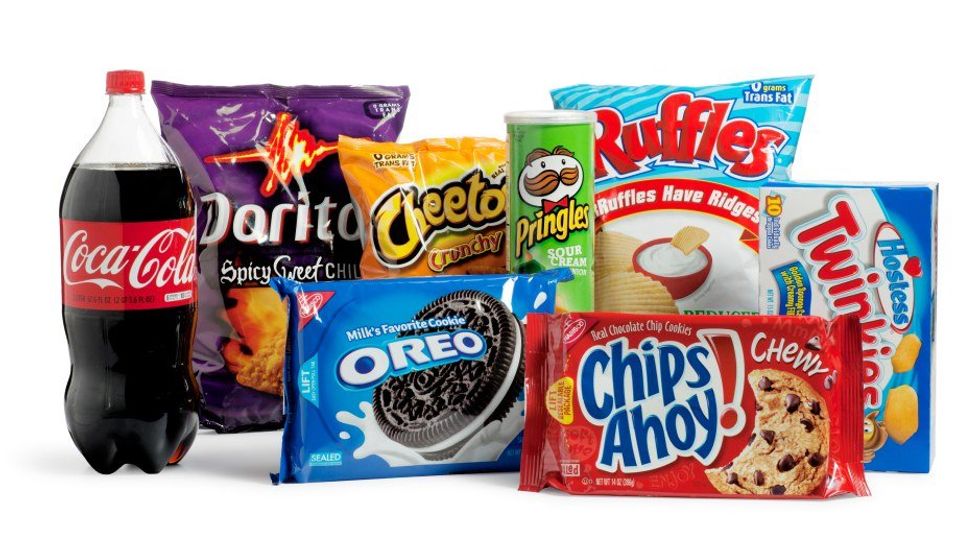
We actually figured out how to make addictive food. It took many years, but we actually did it. I know what you're thinking; "Addictive foods? Give me a break." But now think about it. When was the last time you handed your kids a package of Oreos, bag of chips, or a box of cereal and said "Eat just a little bit and give it back to me"? You probably never did that, or if you did, you probably were given a half-empty package or had to tell them that they had enough. We're now going to disclose what we've been trying to cover up for years: how we made our food so addictive and why no one said anything about it. We loaded the foods with sugar, fat, and processed grains, and we have been overfeeding and undernourishing you guys for years now.
Let's start with the biggest culprit: sugar. This ingredient is our main way to make our foods addictive. If you haven't seen the images, look at the picture of a brain light up after cocaine versus sugar. They're exactly the same. Scary, right? Rats were given either water with sugar or water with cocaine, and they ended up being more addicted to the sugar in the end. They went through stages of craving, binging, and withdrawals when they were presented with or waiting for the solution. You might be wondering why no one tried to say something to the public about this, but they did. We just sponsored research studies or teamed up with certain medical groups and paid them large sums of money so they would stay quiet. The biggest instance of this was when the World Health Organization tried to publish a study saying that sugar was addictive and the main cause for obesity. But we lobbied the U.S. government hard and they threatened to cut funds from the WHO as they published the study. Talk about shady. Big Tobacco did this in the past, so we're not the only people who have done it.
The next way we have taken the public, hook, line, and sinker is with fat and sodium. It tastes so good, am I right? The catchphrase of Lays Potato Chips used to be "Bet you can't eat just one!" There's a reason for that. They created the ultimate weapon, a food-like product that consists of fat and sodium. Fat is close to sugar when it comes to physical addiction. According to The Scientific American, a study similar to the one performed on rats with sugar consumption was performed on rats with fat consumption. The rats did indeed become addicted and they displayed all the signs of it. In fact, they became so addicted that small electric shocks applied to them wouldn't deter them from consuming the fat. On top of its ability to be addicting, fat also provides the perfect mouth-feel and taste contribution to food. That's why it's so hard to resist so much junk food. By the way, there's also an inverse relationship between fat and sugar, so we put sugar in fat's place in your favorite snacks so that you see them as healthier because they're the fat-free version. The sodium also helps contribute to flavor profile because people have adapted a threshold to it due to the large amounts of it people consume in their diet.
Okay, now we need to explain how these products are affecting your waistlines now that we have explained our methods of hooking you to our products. I'm sure you've all heard someone try to tell you that all calories are not created equally, and that is true. Take 190 calories worth of almonds and soda for example. The almonds have nutrients such as healthy fats, fiber, protein, vitamins, and minerals while soda just has sugar in it. This sugar is going to do some bad things to your body. When you consume sugar or foods lacking in fiber, your body triggers a release of insulin to help lower your blood glucose levels. When this takes place, the insulin also triggers your body to store this sugar as fat. Insulin also has another negative downside. The release of lots of insulin can make your brain think you're still hungry, hence the mindless eating of our products while you study or watch TV. Another downside of insulin is it keeps you on that couch or chair because your body thinks you're still hungry. So you will feel, and have all probably felt, a lack of energy and a sense of laziness because of this feeling of undernourishment.
Again, it's not our fault for the overweight and obesity epidemic. Our intentions were not to make people fat, they were to sell a product that would attract customers—and we did. However, we want to apologize for our greediness and the effect we have had on people's health. We're not saying you have to stop buying our products, but consume them mindfully and in moderation.
Best of health,
Big Food