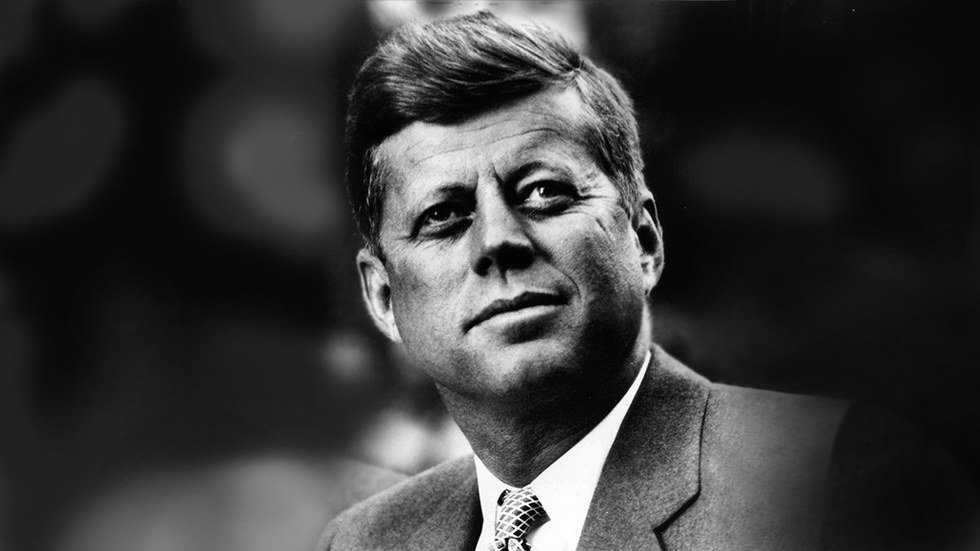
In the short time that he was in office, before his assassination in November 1963, President John F. Kennedy signified a new period of hopefulness and optimism in the American people. Despite his few achievements, the young, charismatic politician from Massachusetts stood before a large crowd of citizens in January 1961 and told them that “We are the heirs of that first revolution,” who are “unwilling to witness or permit the slow undoing of those human rights to which this nation has always been committed.” And yet, I still can’t go a day without asking one of my elders where they were on the day Kennedy was riding in Dallas and -- sooner than later -- taken by open fire.
I have dreamt of volunteering abroad in the Peace Corps for many years, and it was through an executive order that this organization was developed in 1961. Contrary to many latter-day politicians, the Kennedys were in it for the well-being and greater good of society, rather than for their own personal and political interest. In the last months of his presidency, Kennedy delivered a formative, televised address regarding civil rights that I have long considered to be his “finest moment.” Alas, the young president wasn’t able to move forward with a civil rights bill, though it was later achieved through Lyndon B. Johnson, his vice president, and successor.
But, what else made Kennedy great? Aside from the essence of his leadership nature and idealistic approaches to improving society, JFK stood firm and never played puppet. This is exceedingly crucial as, in the words of a former teacher, “If you are bold and have a set agenda, you can accomplish anything.” And, before transferring to Appalachian State University, I visited allposters.com for a potential dorm room decoration. At the time, I really wanted something with President Kennedy depicted, though most of them were relatively expensive. One caught my attention specifically, and it read “LEADERSHIP” with one of his most famous quotes on it: “Ask not what your country can do for you - ask what you can do for your country.” In the end, I purchased one that pictured him with sunglasses and smoking a cigar. It reads: “Those who dare to fail miserably can achieve greatly.” It currently hangs beside the mirror and sink near the edge of my bunk bed.
And, even one of my close friends in high school has been adamant about his admiration for JFK, and it’s one thing that made the two of us so close. It’s unfortunate, however, that scholars are now accustomed to “ranking” presidents and writing “best ever” lists. If history was read more often, and scrutinized more closely, I think President Kennedy would crack the “top ten,” despite the difficulty to do so unless scholars take the necessary approaches to understanding what a president goes through, while he is sitting at his desk and deciding how to go about dealing with another issue.