
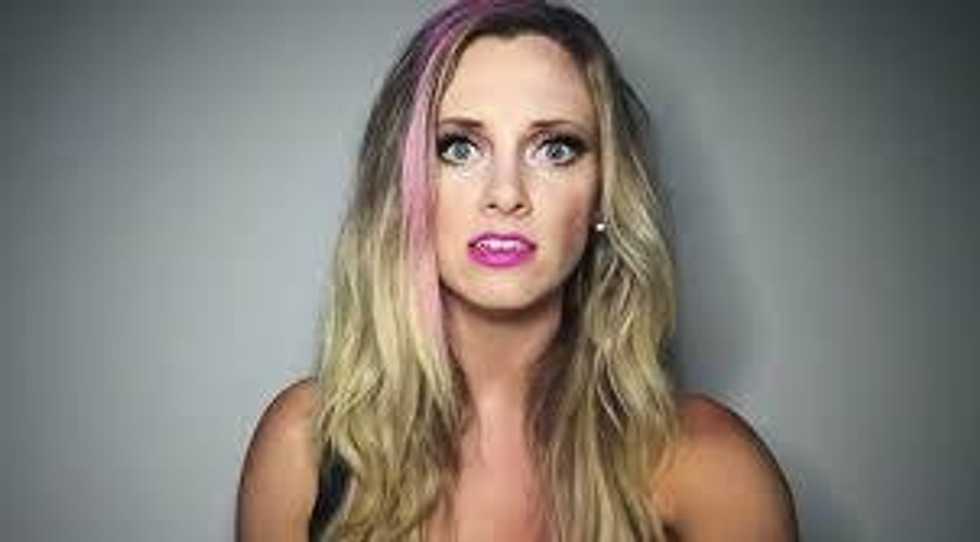
If you’ve been on any sort of social media in the past few weeks, you have likely seen YouTuber Nicole Arbour’s video entitled “Dear Fat People.” This video sparked explosive responses ranging from criticism to support, many of which are still trending.
Now don’t get me wrong, this is an important topic that needs to be addressed. With American obesity rates at 35 percent and counting it would be almost impossible to not be personally invested in the matter. That said, for me, this video also brought to light another issue that has absolutely nothing to do with weight.
In one of her many tactless criticisms, Ms. Arbour describes a flight attendant asking her to move seats for a "disabled passenger" who, as it turns out, is overweight. What I see here, past Ms. Arbour's pedestal, is the cry of another battle this nation is facing: mental illness.
Let me explain. Around the same time this video was released, my roommate Dakota* was flying back to Seattle from Hawaii. Dakota struggles with anxiety and proactively prepared for her six hour flight by booking an isle seat as to not have to disrupt fellow passengers if she needed to use the bathroom. When Dakota boarded however, she was informed that she was being moved to the window seat to accommodate for an overweight passenger who could not fit anywhere but the aisle. As a result, my roommate chose to not drink any liquids for the duration of her flight.
In telling you this story I am in no way attempting to comment on the credibility of accommodating people who are overweight. In fact, I believe that people should be courteous whenever possible. Instead, I am trying to draw attention to the fact that mental health is frequently overlooked because physical wellness is often more evident.
In this situation Dakota's health and comfortability was thrown to the wayside for someone else's, and what sort of message does that send? How can allow people with mental illness the ability to feel like their struggles are valid when our actions show otherwise? To what extent is it acceptable to accommodate for one person's health if, in turn, it negatively impacts another's?
Dakota is not alone in her struggle. In fact, according to the National Institute of Mental Health 18.1 percent of adults in America struggle with an anxiety disorder. Additionally, physical and mental health are not unrelated. Many people who struggle with anxiety also struggle with their weight. By being advocates for mental health we can contribute to the physical well being of people as a whole.
What Ms. Arbour could have done was taken her experience and used it in a positive way to advocate for the holistic health of others. Instead, she used her voice for degradation and I mourn for her missed opportunity.
In a society where body shaming, eating disorders, and body positivity all struggle to coexist, body awareness and even body sensitivity runs rampant. Unfortunately, with so many trends surrounding physicality, it is easy to get caught up in yourself and forget that some people are fighting a battle that can’t always be seen. I think the most practical lesson one can gather from this is to simply make kind and compassionate choices, whether that means choosing not to create a video that body shames, or alternatively, choosing not to respond hatefully.
*Name has been changed for confidentiality