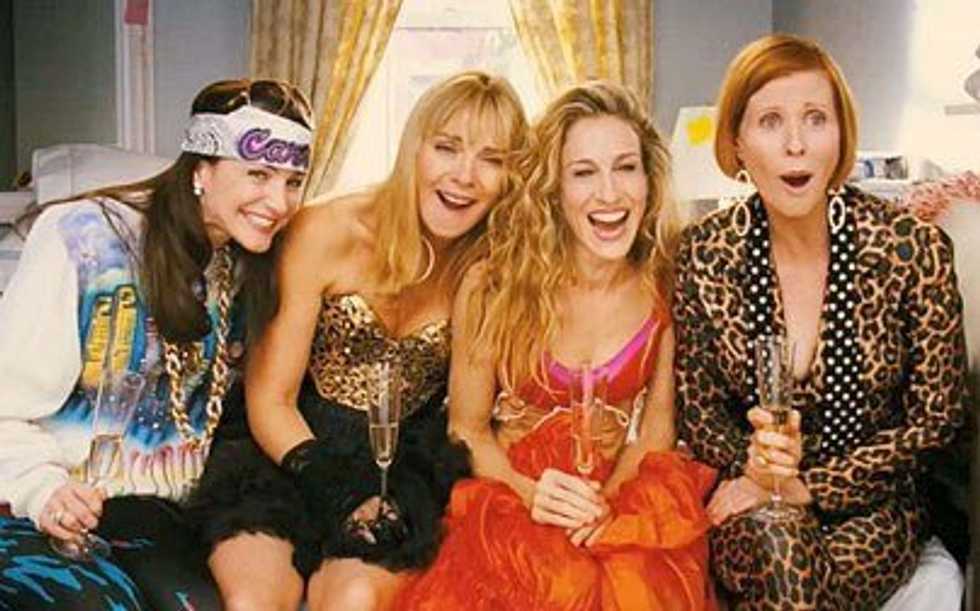
"Sex and the City" was first called an absolute breakthrough for women. From 1998-2004, Carrie Bradshaw, Charlotte York, Miranda Hobbs, and Samantha Jones ruled the small screen - and then took to the big screen for two films. The show takes place in New York City and is all about romance, love, lust and success for these 30-something women. This show holds much value in many American women's hearts and was progressive in its day for many reasons. However, it is coming to the attention of college students and feminist authors alike that this show has some serious flaws that need to be addressed.
The show is amazing for many things. I will not deny this. It shows women in New York with very stable jobs and how successful they are. While these women progress in different ways over the years, it becomes clear that women should not be shamed for what path in life they take. Miranda continues to work as a lawyer after she has her son.
Charlotte admits that it was a tough decision to quit her job at the art gallery to build her family, but she also reminds her friends that being a mother has been a life-long dream and she should not apologize for wanting to quit her job if it is her choice. Samantha and Carrie are at odds when it comes to getting married. Yet, they both come to the agreement that they should both do whatever makes them happy. Samantha never gets married, and Carrie marries at an 'older' age (old as society sees it).
Then there is Samantha. There is no denying her as an absolute breakthrough for television. Samantha is in her 40s and is the oldest of all her friends. While she is special for many reasons, I would like the point out that she overcomes sexism in her industry (she works in PR), she beats breast cancer, claims her sexuality, is not apologetic for having sex with many men and (eventually) comes to celebrate aging.
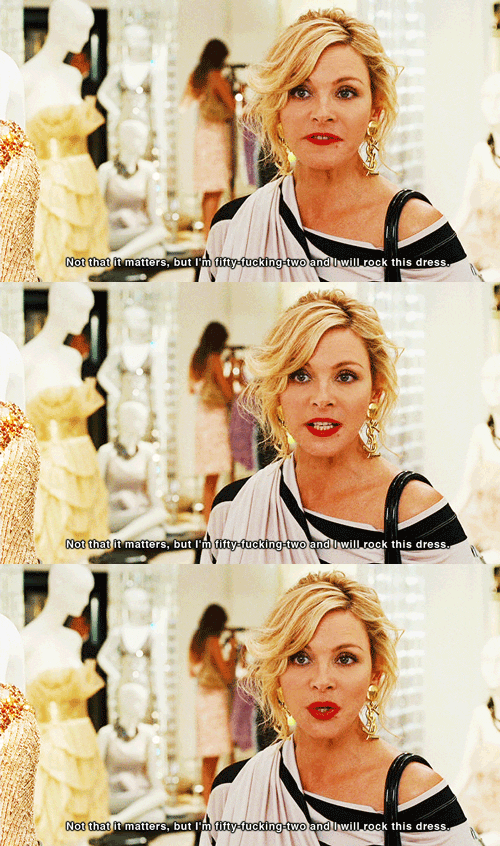 In an anti-aging obsessed society, Samantha comes to celebrate her experience over others.

She slams men for being sexist.

She explains it is hard being a woman who has lots of sex (whore versus 'the man'). Samantha does not feel ashamed and feels empowered by her sexuality, even when the haters get on her. It is a huge part of who she is, and she is unapologetic about it. She even dates a man 20 years younger than her. She does not want kids or marriage and that is okay. Happiness is her key.

Over...

and over.
But what is most important about this show is how it shows how much women value friendship. For years, women have been depicted as competing against each other for suitors. These women show that while men may have importance, so do their friendships. There is never a competition over a man and there is never a scene where a man cheats with his girlfriend's friend.

While these are amazing images to have in the media, viewers must question what they are watching. These women are all white, pretty, and skinny. Is this what it takes to be successful? Another problem with the show is that all of the main characters are heterosexual. While the women do have their gay best friends, they are only accessories to the women. Samantha is with a woman at one point, and the girls see it as a phase. Is being lesbian a phase?
Finally, almost all of the drama that arises in the show is about men. Whether is it a boyfriend, husband, suitor, doctor or boss, the majority of conflicts come from a male character fighting with a woman. Does this mean that men are at the center of our lives? To all of the questions above, the answer is no. The world does not revolve around men, the world is not all white, and being lesbian is not a phase. Homosexual portrayal in this film is almost homophobic, where some male characters worry about gay men hitting on them, and where straight women cannot be friends with lesbian women.
While "Sex and the City" was monumental for its time, remember that its time has passed. Friendship and feminism are so important, but not at the expense of other underrepresented groups.