Requiring people to present their photo identification at the polls is not a violation of the 15th Amendment of the U.S. Constitution. Some people compare the photo identification requirement in some states, such as Georgia, to the literacy tests and poll taxes that were implemented during the disenfranchisement of African Americans in the late 19th century.
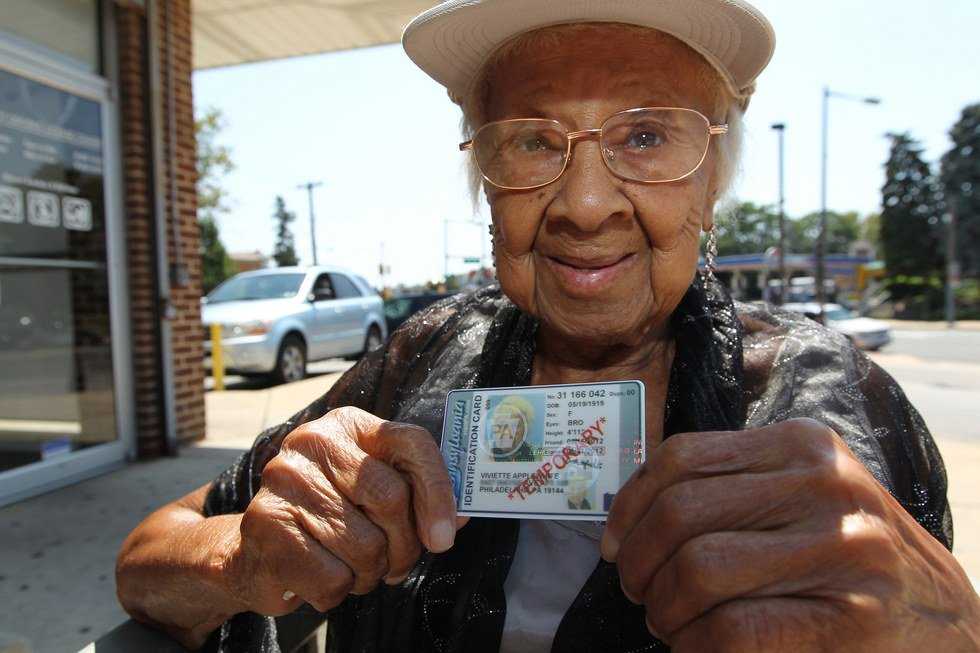
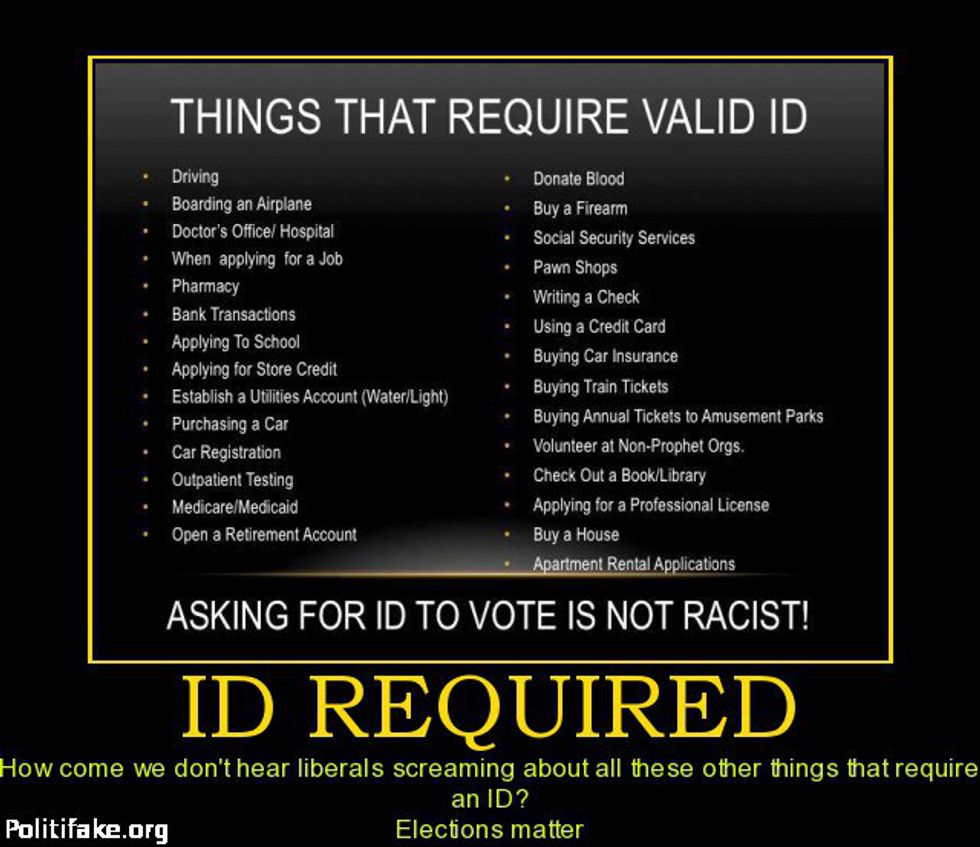
This could not be more absurd. The 14th Amendment’s Equal Protection clause states that states cannot pass laws that would create an “unduly burden” on voters. If you think that getting an ID is a burden, you must not participate in life at all. You have to have an ID to travel, to drive, to buy certain age-restrictive products -- the list goes on.
States that require an ID to vote are required by law to issue a state photo ID for free, so that shows a clear understanding that not everyone can afford an ID. Others argue that they do not have time to get an ID, but this is complete laziness. If an individual is a single mother who works three jobs and has children, sure, there may be an argument. Even in that scenario, the mother would have options that are just as simple as everyone who can easily obtain an ID.
When you get your drivers’ license in the state of Georgia, as well as in several other states, registering to vote is as easy as checking a box. If the mother has to go to three jobs, she must have a drivers’ license. If she does not have a drivers’ license, she must have another form of photo ID since most equal opportunity workplaces require these documents to hire you. Even with some obstacles such as not having the money for the transportation to the government office to obtain your ID, there is no excuse. If voting means that much to you, you will find a way. If you cannot find transportation to obtain an ID, how will you find transportation to go vote?
Of course there are some states with questionable, and potentially unconstitutional, procedures for voting. It is the duty of the people to bring laws they feel are unconstitutional to the attention of their representatives or to members of the judiciary. If nothing else, requiring an ID to vote prevents all of the effort people in history put forth for the right to vote from being in vain.
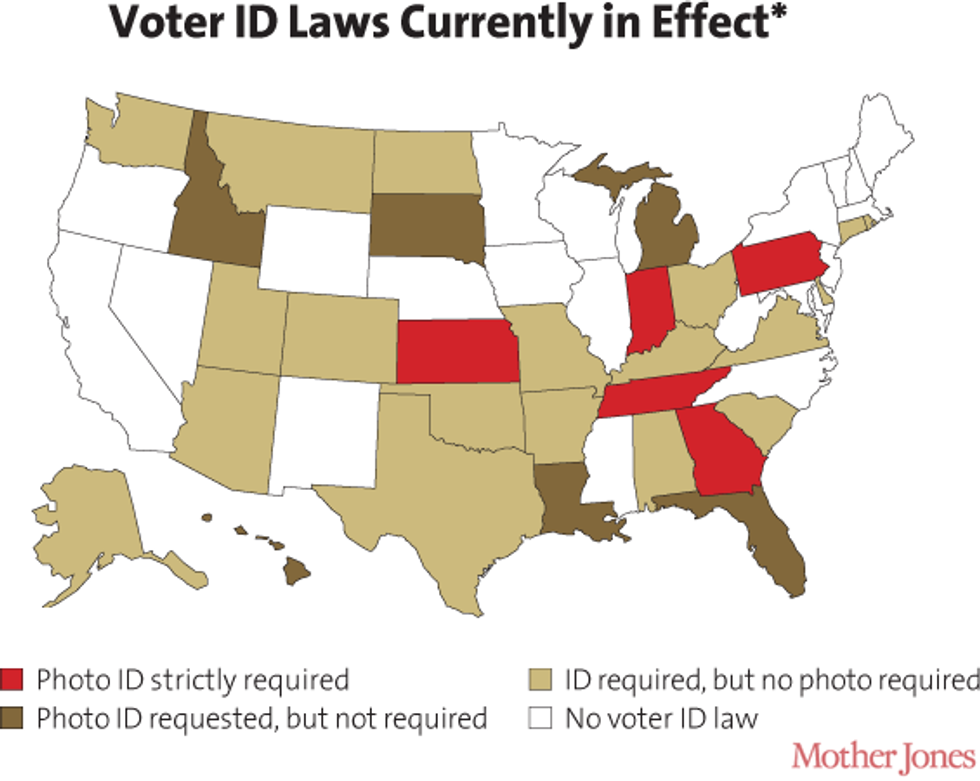
Voter ID laws do not restrict people from voting. When the state of Georgia first implemented the voter ID laws, theorists and political analysts speculated that minority groups would be suppressed by the law. In fact, the opposite happened according to statistical data analyzed by the Atlanta Journal Constitution: “Turnout among black and Hispanic voters increased from 2006 to 2010, dramatically outpacing population growth for those groups over the same period.”
Clearly, at least in the state of Georgia, voter ID laws are not preventing minority groups from voting. This may not be true for all states, but it is important to understand that protecting your rights and allowing you to exercise them as a U.S. citizen means sacrificing a little bit of comfort and convenience.