Four generations of amazing, strong women. The supernatural. Love. Politics.
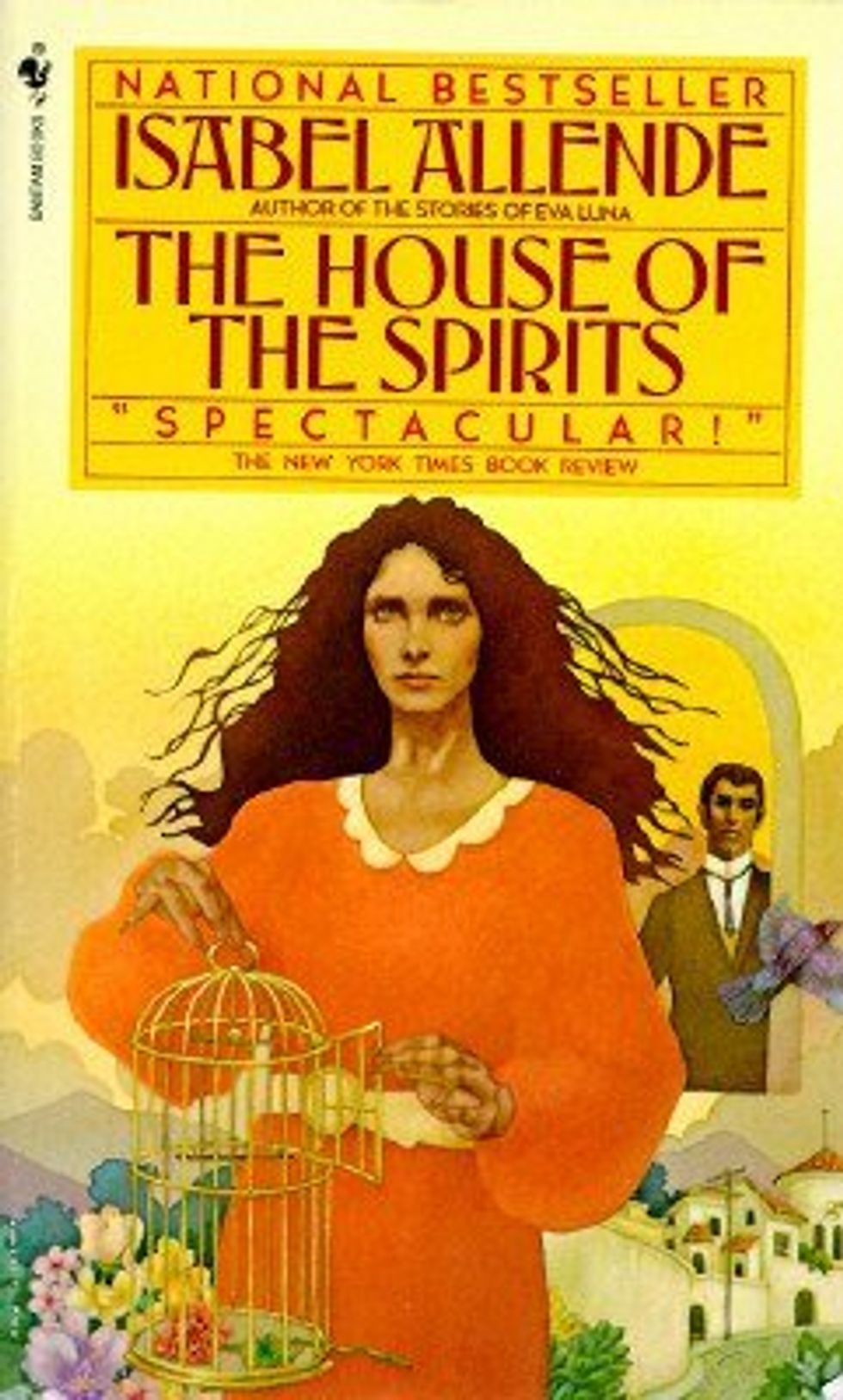
In Isabel Allende’s novel, "The House of the Spirits," these elements all combine to create a beautiful insight into the 1960s and '70s social and political turmoil in Chile, where Allende’s second cousin was elected as a socialist president and then shortly deposed and killed in a military coup on Sept. 11, 1973.
As the presidential race here in the U.S. heats up, it is impossible to avoid mention of Trump, Sanders, and Clinton. There are debates, scandals and campaigns. My Facebook newsfeed is filled with both support and hate.
I can’t help but think back to "The House of the Spirits," as I read about our potential leaders. I would like to think that the U.S. is in a better place than the hacienda system of Chile at the beginning of the novel, but I can see clear parallels in the competition between, specifically, Trump and Sanders. Trump’s rhetoric is full of comments about “making America great again,” something the conservative class in "The House of the Spirits" talks a lot about. Sanders, on the other hand, is a self-proclaimed “democratic socialist” and reminds me a lot of the character of the President, as Salvador Allende is dubbed in the novel.
Nothing ever changes. We see this over and over, the tension between the old and the new, the struggle to stay, and the fight to advance. As young people, we must keep in mind that none of this is new. It feels vital and urgent and it is, but we must not completely ignore what has come before. There is much to be learned from older generations.
Isabel Allende will be reading excerpts from her new novel, "The Japanese Lover" at the Harvard Book Store on Nov. 11.