Something is happening to America's people, and most of the country doesn't even know about it.
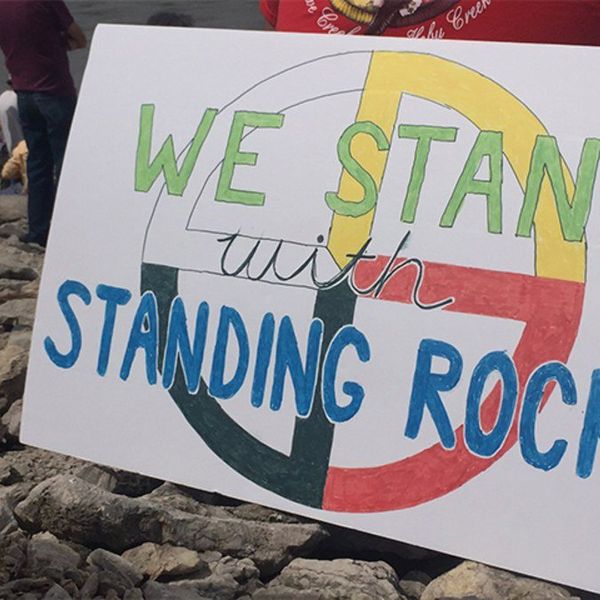
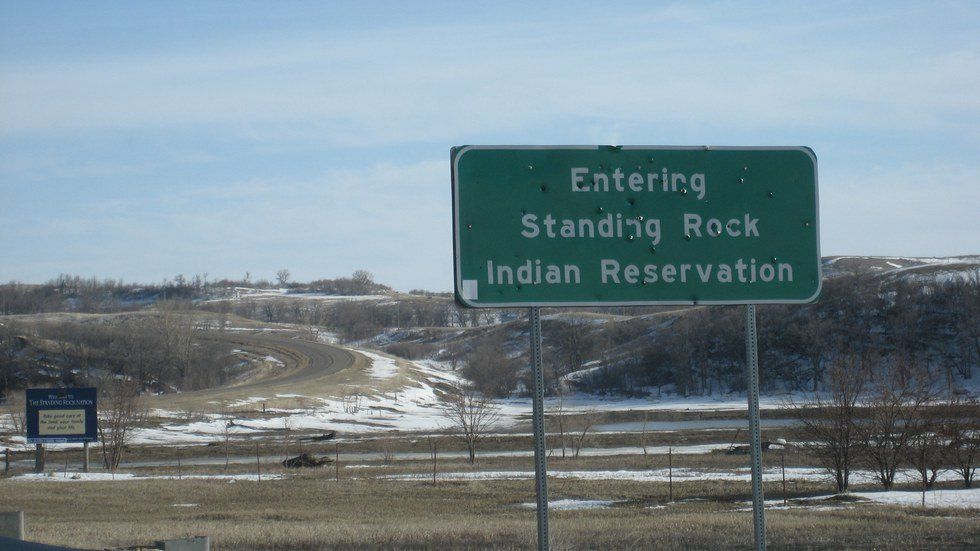
The Dakota Access Pipeline, a massive, expensive project currently underway, has been making some headlines recently, and most of them aren't good news. On September third, security guards for the construction site used mace and dogs to attack protestors. These protestors consisted of members of the Standing Rock Sioux tribe, as well as conservationists and members of tribes from as far away as the East Coast. After the incident, construction was put on pause for a few days. This past Friday, Federal Judge James Boasberg ruled against the tribe’s request for an injunction, which is basically like a restraining order to protect their land from the DAPL construction. Luckily, three major government agencies have the Sioux's backs; the U.S. Department of the Interior, Department of Justice and Army Corps of Engineers issued a statement that is asking the construction companies to "voluntarily pause all construction activity within 20 miles east or west of Lake Oahe".
The Standing Rock Sioux people are not big fans of the DAPL. They even tried to sue the US Army Corps of Engineers back in July, because they thought they weren't consulted by the federal agency that was in charge of the permits for the project. Granted, this project promises to bring 470,000 barrels of oil a day from Bakken, ND to Three Forks, IL, traveling 1,172-miles through a 30-inch diameter pipe.What does this do for Americans? Well, it means our country will no longer be dependent on crude oil imported from other countries. Oh, yeah, and gas will be a bit cheaper.
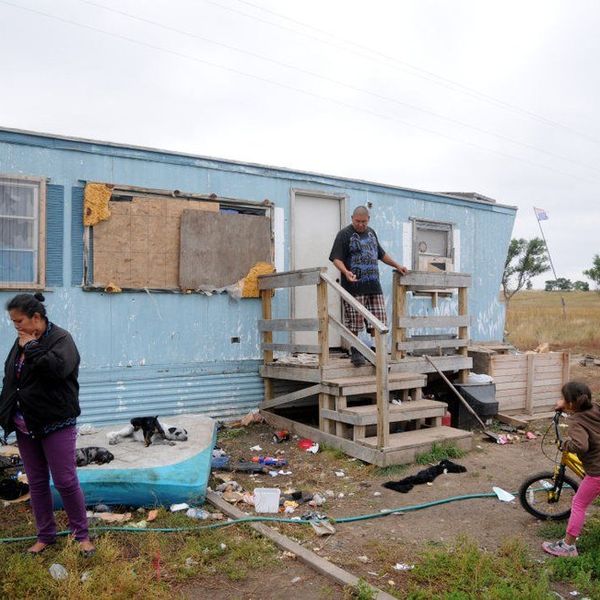
Great, but what does it mean for the Native Americans living near the route of the pipeline? The DAPL is more than just an eyesore, it's a threat. Protesters were outraged when the construction team dug up their sacred burial ground. Imagine if someone went to the cemetery where all of your ancestors were buried and started digging up the land to make room for a giant pipe. You'd be a little stressed out, I bet.
Besides the fact that the DAPL construction is messing up the Native Americans' burial grounds, it's technically illegal. It's like if your neighbors came into your yard and started digging up your garden because they wanted to put in a pipe system. That's basically what is happening to the Sioux people, but on a scale much bigger than flowerbeds. The United States signed a treaty with the tribe in 1868, titled the Treaty of Fort Laramie. In the treaty, the US agrees that the area where the Black Hills are located in South Dakota rightfully belongs to the Sioux tribe. Guess where that big 'ol pipe is being built?

DAPL threatens more than just land. The Native Americans could lose a life source: water. Tribes all across the mid-west depend on the Mississippi River for water used for drinking, bathing, farming, feeding animals, and cooking. The DAPL has to cross it at least once to get to the finish line in Three Forks. Maybe this doesn't sound like a problem until you factor in the probability of a leak. Maybe a leak won't ever happen, but if it did... do you remember the Deepwater Horizon Oil Spill in 2010? Or maybe you remember it's nickname: The BP Oil Spill.
There is more going on in America right now than football season and an upcoming presidential election. We've already taken pretty much all of the land from these tribe's ancestors. Do we have to take their clean water from them, too? The Native Americans don't need us to be their voice for them; they already have a voice. We need to start listening to them.