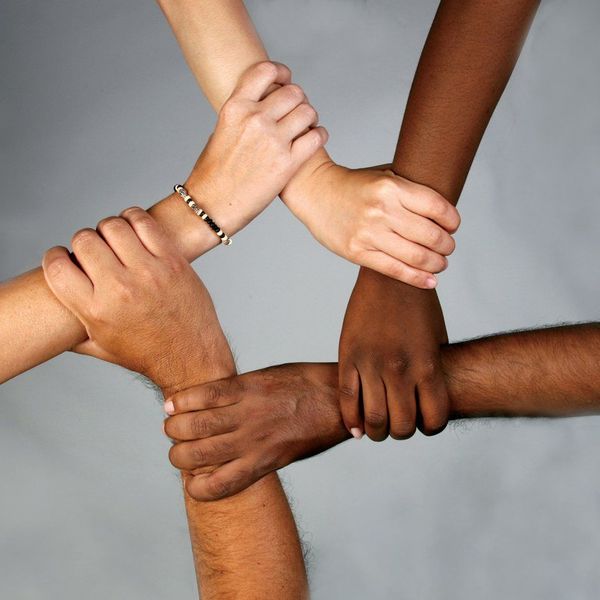

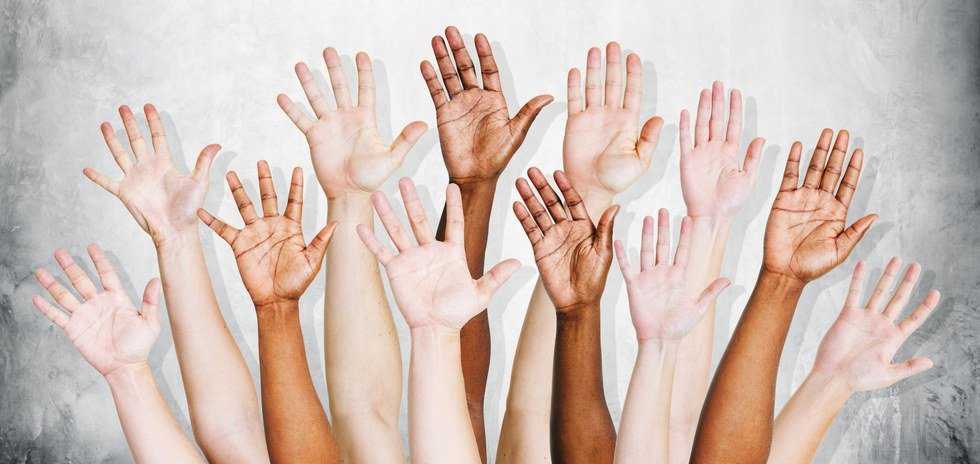
Recently, I watched an Intelligence Squared debate titled “The Equal Protection Clause Forbids Racial Preferences in State University Admissions.” One of the underlying disagreements between those who argued for the motion that racial preferences are forbidden by the Equal Protection Clause and those who argued against it, concerned the value of diversity on college campuses. Roger Clegg, president and general council for the Center for Equal Opportunity, who argued for the motion, hypothesized that the lessons students learn from attending a diversified university could just as easily be understood through other means. Clegg doubted that “random conversations in and outside (diverse) campus classrooms [were] so insightful and so unlikely and difficult to be learned in any other way” that it was worth universities intentionally diversifying their campuses. Erwin Chemerinsky, founding dean and professor of law at the University of California, who opposed the motion, argued “the reality is diversity matters… It breaks down stereotypes. It prepares students for the multicultural world in which they'll exist.” So, who was right? Is campus diversity something to be valued and, if so, how much focus should be placed on diversifying college campuses? After watching this exchange, I realized that, as a student attending a diverse university, I am in a position to answer this question in a general sense and especially when it relates to my own experience.
To understand the role diversity has played in my life, it is important to factor in my background. From fourth grade until I graduated high school, I attended a small private school in Arlington, Texas. There were just over 40 kids in my graduating class and, for the most part, they shared the same class, religion, political affiliation, culture, and race. The primary, if not only, source of division between students at the school stemmed from whether or not they were involved in athletics. We wore similar uniforms, held similar beliefs, and seemed to think similar thoughts. Understandably, the concept of diversity at the school was usually conveyed in the form of a joke amongst my peers.
The transition from the small school I had attended for almost a decade to a public college with over 23,000 students brought many things into perspective. The UTD campus was one of the most diverse places I had ever experienced. Most students did not look or act like the people I grew up with and they possessed numerous different opinions, beliefs, and cultural backgrounds. Looking back, I realized that my freshman self carried many misconceptions about my fellow students along with me to campus each day. Although I wish I could say otherwise, I stereotyped my classmates and my future friends before I even spoke to them. I often found myself surprised and confused by the fact that these stereotypes proved completely inaccurate. As one might expect, these interactions broadened my mind and changed my perceptions of those around me.
The extent of these experiences’ impact became clear once I began self-analyzing and contrasting my first semester self to my fourth semester self. I see people in a different light and really grasp the fact that you cannot accurately make assumptions about someone based on their race, religion, appearance, etc. I know this seems simple and even painfully obvious, but, once you have had this realization, your perspectives on other aspects of life change as well. If you discovered that the color blue was actually red, then you would naturally go on to question the validity of the other colors. In the same way, if you learn that what you think about other people is flawed, you will begin examining your other long held ideas and beliefs for inaccuracies. Understanding that the answers you have to the many questions you face on a daily basis may not be the right ones is key. It allows you to learn and motivates you to be both open-minded and humble. This principle is apparent in my personal life and in the lives of many other college students.
So, what’s the answer to the question? Is campus diversity something to be valued and, if so, how much focus should be placed on diversifying college campuses? I say yes, and I think universities should place considerable focus on creating a diverse space for students so that they can overcome their misconceptions and to promote understanding and open-mindedness. One of the questions that really impacted me was whether it was surprising that I held so many stereotypical expectations of my peers. I don’t think it is. Why? The answer seems so obvious. It’s not surprising because I had not experienced real diversity before attending school at UTD. This answer, in of itself, says it all. If it’s understandable that surrounding yourself with similar people promotes close-mindedness and cultivates harmful stereotypical conceptions, then it’s just as understandable that surrounding yourself with different people promotes open-mindedness and cultivates a positive, accepting mindset. What Erwin Chemerinsky said in the debate is true. “The reality is diversity matters… It breaks down stereotypes. It prepares students for the multicultural world in which they'll exist.”