

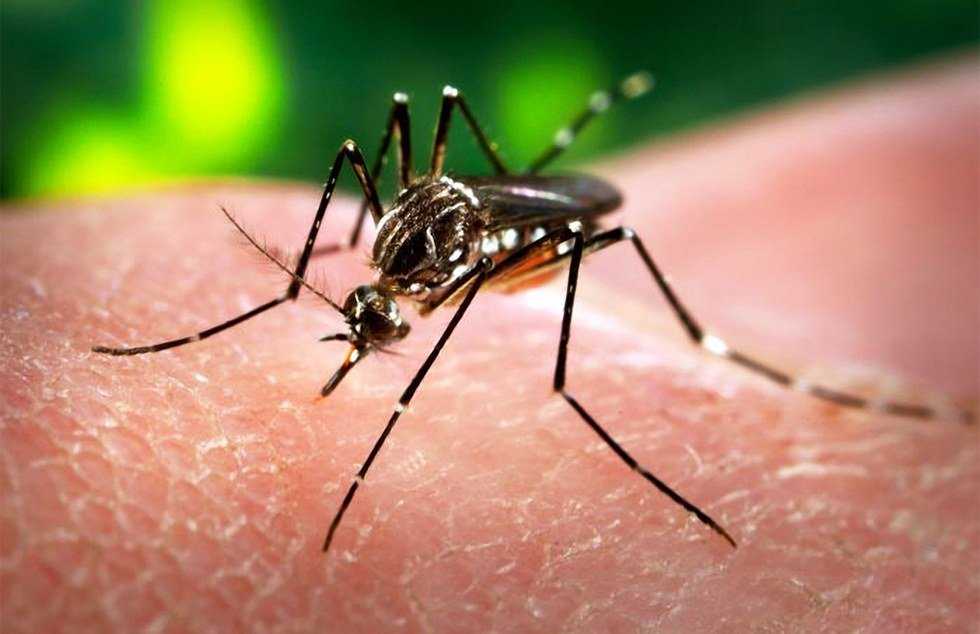
If you’ve recently turned on your TV, scrolled through any social media platform, or the least likely, opened up a newspaper, you have probably read or heard the words “Zika virus”. Despite its strange name, pronounced ‘zee-ka’ and not ‘zy-ka’, the mosquito-borne virus may have introduced internationally drastic consequences.
While the illness, caused by a bite from the Aedes mosquito, is rather mild and only lasts for about one week, the virus has been found to affect unborn babies – doctors in Northern Brazil, where the outbreak took place in May of last year, noticed an abnormal increase in babies being born with Microcephaly, a disease which decreases the baby’s head size and damages the brain. As the virus is found to primarily affect rural areas, it poses an even heavier burden to those communities where pregnancy rates are higher and access to proper medical services is scarcer.
The World Health Organization has deemed the outbreak an epidemic, as about four thousand cases of microcephaly have already been reported to Brazil’s Public Health Department, and the number of cases in the Americas is expected to reach up to four million within the year.
Out of the 24 countries in the Americas affected by the virus, Ecuador, El Salvador, Jamaica and Colombia have asked their citizens to delay pregnancy, a measure widely criticized as it does not account for the living conditions and social aspects within those countries where contraceptive measures may be inaccessible to most and possibly illegal.
According to the Center of Disease Control and Prevention, thirty-one people in the United States have been diagnosed with the Zika virus so far. The WHO's Director General Dr. Margaret Chan has said “the level of alarm is extremely high” for the currently untreatable disease, however strides have already begun in the creation for a broadly accessed vaccine. On Monday, February 1st, an emergency committee convened in Geneva and the virus has now been deemed a public health emergency by the WHO, resulting in the creation of global response unit to fight the epidemic.