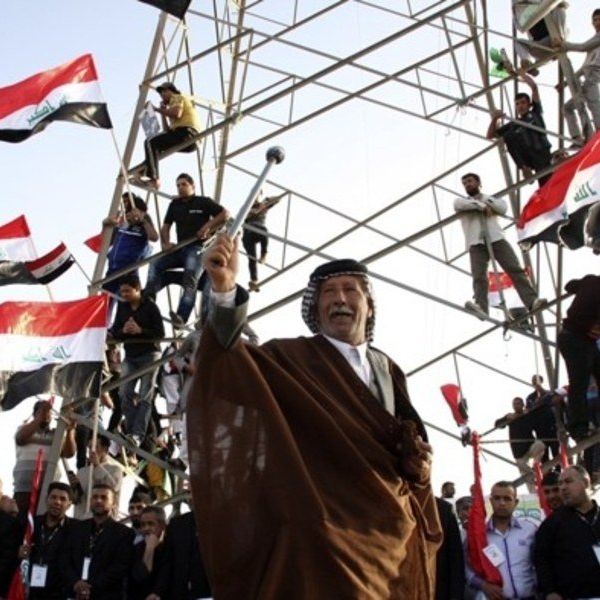


There are 319 million people living in the United States, 15,507 of them are enrolled at the University of North Georgia. In today’s society, we often judge people with no understanding of who they are. There’s no denying it - we’re all guilty. Injustices occur daily across the nation regarding race, religion, sexual orientation, body image. Students are no exception. Students experience injustices daily because of their race, religion or looks. We often develop certain stereotypes about others because of the way we have been raised, or because of the way our friends act towards others.In the past months, the U.S. has seen countless acts of injustices to countless groups of people. Whether it’s Ahmed Mohamed, Caitlyn Jenner, or the victims of the Charleston shooting, there have been too many stories of intolerance. Fourteen students from five different schools share their stories.
University of South Florida | University of Houston
Sadaf Jafri

Sadaf Jafri is a Muslim.
Sadaf Jafri is a junior at UNG. She is a Chemistry major with a minor in Biology. She is a member of Opportunity Research for Biologists, Interfaith Alliance, and will be participating in the Vagina Monologues this spring semester. She works at Kohl’s in Cumming. She was born in Chicago, Illinois along with her two brothers. Her parents were born in Pakistan, and she has visited Pakistan, Dubai, and Turkey. She volunteers at her Mosque to help with their charity work. Her name means "pearl," and her brothers call her Misha which means sunshine.
Have you faced injustice related to your religion in your life? If so, how?
Yes, ever since the attacks on 9/11 in 2001, I have noticed that teachers, they wouldn’t favor me. We always had these reward systems, you got stickers for good behavior. If you got a certain amount of stickers, you got a reward. Every time I was set to get a prize they would claim that my stickers were from last week, when they were from the current week. I’ve noticed it in my family too. My uncle used to run a gas station, and then they arrested him because they thought he had suspicious activity going on, but he didn’t. In middle school, it happened a lot. I had a good friend, until he started calling me ‘Sadaf Hussein’ and that really ticked me off. That was really offensive to me. His friends would do the same thing, and other people would do it too. It got so bad that I would cry every day after I got home from school. I told my dad about it, and he told me to tell my teachers, but I knew they wouldn’t care. At that point I really felt like my teachers didn’t care about me and that I was an outsider. There were people suspended from school for calling me slurs, though. In high school, it didn’t really happen that much. In college, it doesn't really happen either because everyone is an adult now. There was a time where I wanted to wear my Hijab, and I did wear it for a while when I first moved to Georgia. Someone yanked it off of my head, and told me I couldn’t wear that. This was after 9/11. They told me I couldn’t wear it because it offended them, even though it is part of my religious beliefs. This is what I practice. Ever since then, I don’t wear it out because I’m afraid it will happen again. I wanted to wear my Hijab my senior year of high school, but could never bring myself to out of fear that it would happen again. So I didn’t wear it again. I would have been the only girl at our school wearing it, and it would have made me a complete outsider. I would wear one now though. UNG is friendly and is more like a family. I feel like people don’t point out differences and treat people differently because of their beliefs. I don’t think people would treat me any differently here.

(This is a hijab.)
What are some stereotypes or prejudices that you’ve experienced due to your religion?
People think that all Muslims are bad, or that all Muslims are terrorists. That they all know how to make a bomb or have guns at their house. That they just want to kill Christians, and Jews. The media totally affects it. They only show the bad parts of the Islamic faith, the extremists, and those extremists aren’t even Muslims. They aren’t even following the Book, so I wouldn’t even call them Muslims for what they’re doing.
How well do you feel like your religion is represented on our campus?
I feel like it’s very minute, I mean there are cultural clubs, but I feel like it’s very minute. No one knows about it. Everyone knows about BCM (Baptist Collegiate Ministries), but I feel like there might not be many Muslims kids going to UNG and that’s why there’s not a club for Muslims. I would consider starting a club for Muslims if I had people with me. I definitely would need people behind me to start one.
Do you or have you ever felt threatened because of your religion either on campus or elsewhere in the world?
On campus, no. One time, we had an Eid prayer in Fowler Park [in Cumming, Ga], and we were all outside praying in the rain. I guess the families around us were concerned because they don’t know how Muslims pray or they’ve never seen how Muslims pray. So they felt like us praying was suspicious activity so they did call the police on us. The cops did come and they broke up our prayer, which was totally disrespectful. They just messed up our time for the whole day, and we had to do another prayer just to make up for it. We showed them the permits we had reserved in order to pray there, and it was really just a family picnic. People are just scared of Muslims, and I wish they weren’t because we’re not bad people. We are modest and we care about everyone.
What are some steps you feel need to be taken to address the diversity issues on campus?
I think we can do more events like a panel so people can ask people of different religions, especially Muslims, any questions they have about our faith. We can use this as a way to answer any questions and resolve any issues people may have by creating an open dialogue. I would love to bring someone from my mosque to speak at an event like the one held last semester [The Skeptics Society’s Ask A Whatever panel of different religions].
If you could tell everyone at UNG what your faith means to you, and what they should know about Islam, what would you tell them?
Everyone has their own beliefs. By all means, believe what you want, but don’t discriminate someone else because they sin differently than you. I don’t think we should judge anybody because we all have our own sins. Muslims are very open, we are very modest. We like to keep everything peaceful and simple. We don’t want any harm to come to anybody. We love all people, we accept everyone.
If a student of UNG sees a Muslim person on campus wearing a Hijab or praying on campus, how should they react? Or not react?
Obviously, don’t disturb them because they are in a state of meditation. That’s disrespectful. If you want to approach them to ask them something, or tell them something, wait till they are done praying. Wait until they are done saying all their prayers that they need. Wherever they are praying, don’t walk in front of them because that is a very disrespectful thing to do. If someone walks in front of someone while they’re praying, they are cutting off the connection between God and that person. Also, be quiet around their prayers because it takes a lot of concentration and you could distract them from their prayers. Another thing people don’t really realize is that we celebrate Ramadan where we practice fasting sunrise to sunset. If a Muslim person is fasting, please don’t eat in front of them because they’ve been fasting all day, and are very hungry. We celebrate this to try and understand what it is like to live without food, to live in poverty.
How does the appropriation of your culture make you feel? [Cultural appropriation is a sociological concept which views the adoption or use of elements of one culture by members of a different culture as a largely negative phenomenon.]
I’ve seen this at Halloween parties. A friend of mine came to a Halloween party wearing the traditional clothes for a Muslim man, called a salwar, while drinking a beer which was really offensive to me. When people asked what he was dressed as he would tell that he was dressed as a terrorist. It really threw me off because I thought he was such a good friend. I get offended when people appropriate my culture, but if someone wants to learn about my culture then they should. I let friends borrow my salwar kameez, traditional clothing for Muslim women, so they can learn about our culture. That is fine, but if you do it in a manner that is meant to offend my culture, that is not okay. If I shared that information with someone it would be okay, but if they took it for themselves and then misrepresented my culture, which is not okay. I would get offended by it.
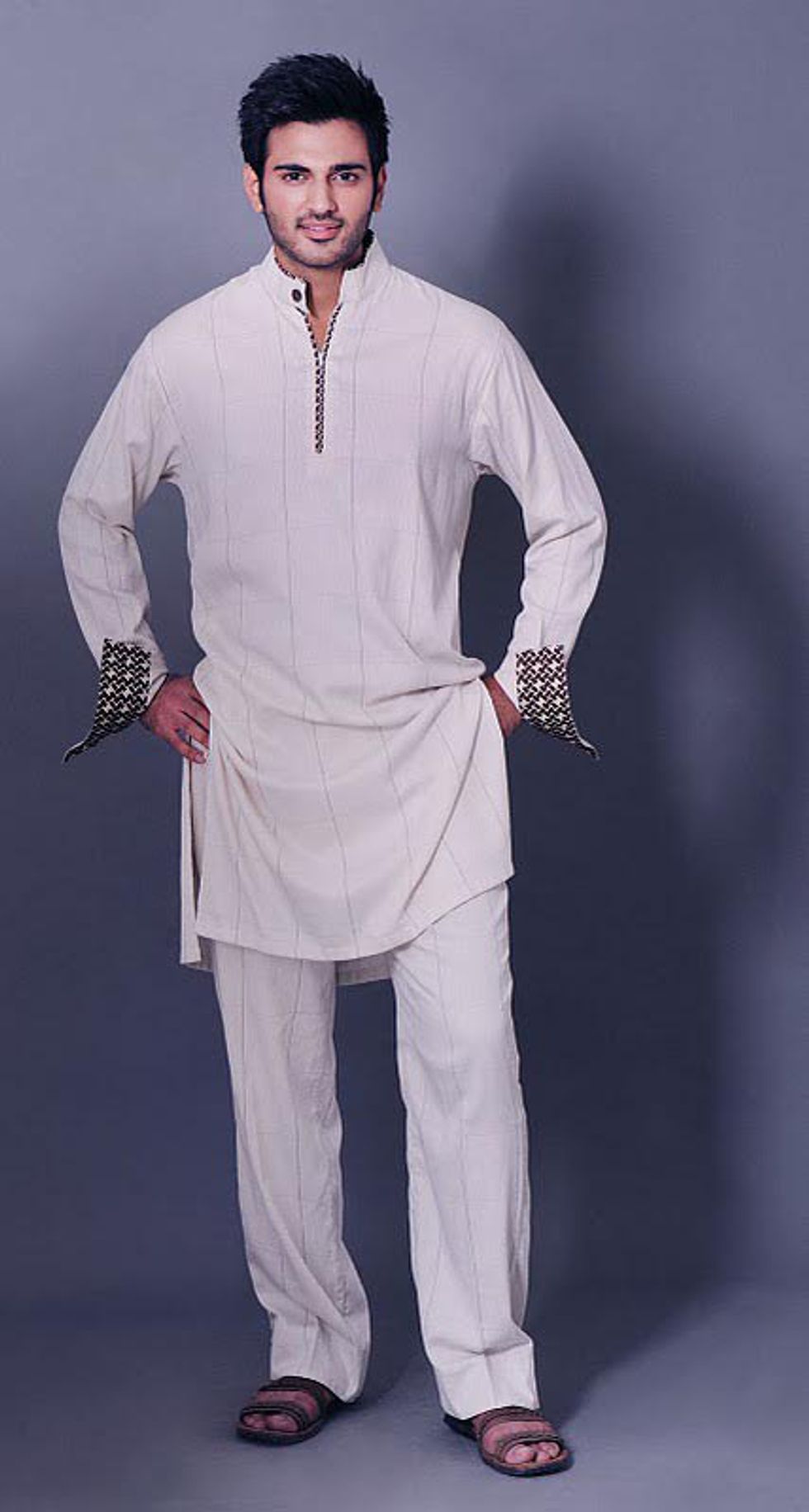
(These are the traditional clothes, salwar kameez, for Muslim men and women.)
Oreva Aki
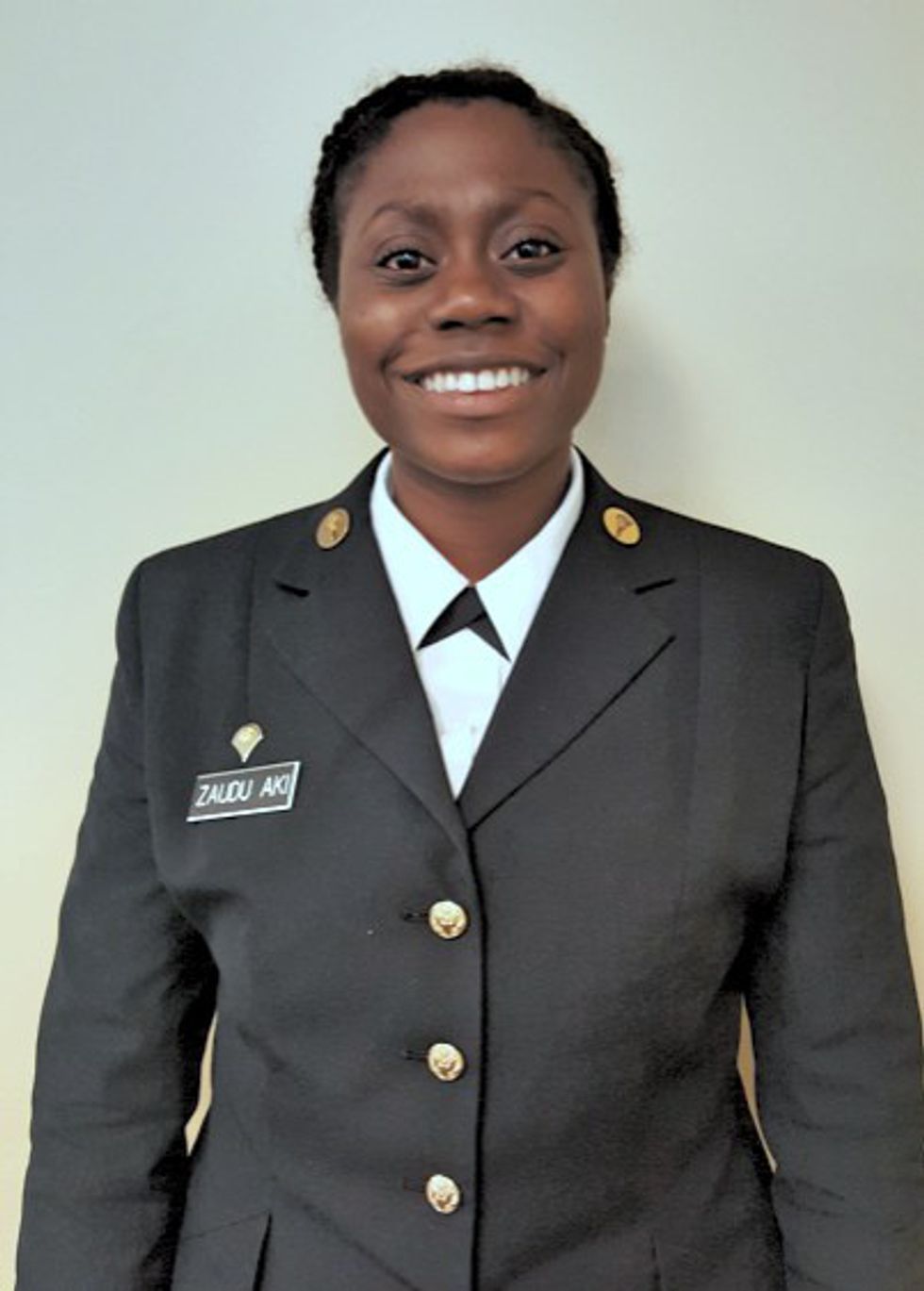
Oreva Aki is African American.
Orevaoghene Zaudu Aki, or Oreva Aki, is a junior at UNG. She is a double major of International Affairs with a concentration in the Middle East and Arabic. She is the President of C.R.E.W. (Creative, Respectful and Empowered Women), Student Government Association Senior Representative, Vice President of Model UN, and a member of the Student Leadership Resource Team, Corps of Cadets, Black Student Union, and the Arabic Language and Culture Club. She is a medal recipient for the Leaving a Legacy of Leadership (L Cubed) Conference. She works in the Dining Hall. She has participated in Study Abroad programs to Morocco, Germany, Spain and England. She has two sisters, a father who lives in Chicago, and a mother who lives in Nigeria. She was born in Chicago, Illinois, and she is a dual citizen of the United States and Nigeria. Her name means "God’s decision."
Have you faced injustice related to your race? If so, how?
Yes, when I was growing up, I went to a predominately white Christian school. My family was the only black family. People would point it out. I went to a public school after that and people would say that I was an ‘Oreo’ because I was black but ‘talked’ and ‘acted’ like a white person.
What are some stereotypes or prejudices that you’ve experienced due to your race?
When I was younger, because I’m first generation Nigerian, kids would ask if I rode a lion to school. I was born in the US, and I have gone to school in the US my whole life. People would assume that I like fried chicken, and watermelon. I don’t even like watermelon. People have said that black people smell bad, and people have even Yik Yak’ed about it. Sometimes people tell me that I smell good for a black person.
How well do you feel like your race is represented on our campus?
Race on our campus is probably 4 percent African American, and about 6 percent in the Corps of Cadets. Those are probably rough numbers. There is the Multicultural Student Affairs office, and the Black Student Union to help with representation of minority races. Bill Maher called us ‘Cracker State’ after the ‘Why Follow When You Can Lead’ pamphlet was released, and he talked about how our basketball team is our black studies program. The Dahlonega campus especially isn’t very diverse compared to the other campuses of UNG.
Do you or have you ever felt threatened because of your race either on campus or elsewhere in the world?
I have felt threatened before because of my race, but right now I don’t. I’ve never felt threatened on campus. I do remember shortly after the Ferguson thing happened, and the hashtag #BlackLivesMatter became popular, people wrote that around the Drill Field and it was washed away.
What are some steps you feel need to be taken to address the diversity issues on campus?
Discussions about ‘touchy subjects’ like Ferguson need to be held. We have done that in the past, and we should do more. People need to see that there are people of different cultures here. Lectures and discussions help people accept diversity. Better representation of diversity should be shown on campus, which I know they are trying to do that now. Promotional stuff for the school is really trying to push that now.
How does being a black woman affect the injustice you’ve experienced in your life?
Women face injustice all the time, and I feel like women should be empowered. I used to make jokes all the time about how it’s hard to be a woman, but it’s even harder to be a black woman. I don’t feel like I’ve specifically experienced injustice because I’m a black woman. Women need to understand that they shouldn’t back down from a situation where someone feels like a woman shouldn’t be listened to, and women need to fight for it anyway.
How does the appropriation of your culture make you feel?
For me it’s mostly African heritage, it’s mostly patterns or clothes that have become mainstream. It’s irritating to me when people wear that as a costume for Halloween. Wearing what someone wears everyday like it’s a costume isn’t like dressing up as a superhero. Sometimes I’ll wear a dashiki around campus and people will ask if it’s cultural day or if something special was happening that day. They would say I look ‘ethnic’, and it’s just a part of my culture. People see stuff like dreads, and they see them as unprofessional or that you can’t get a job. People will take things from other cultures and use how they want to attract others, and then it becomes trendy.
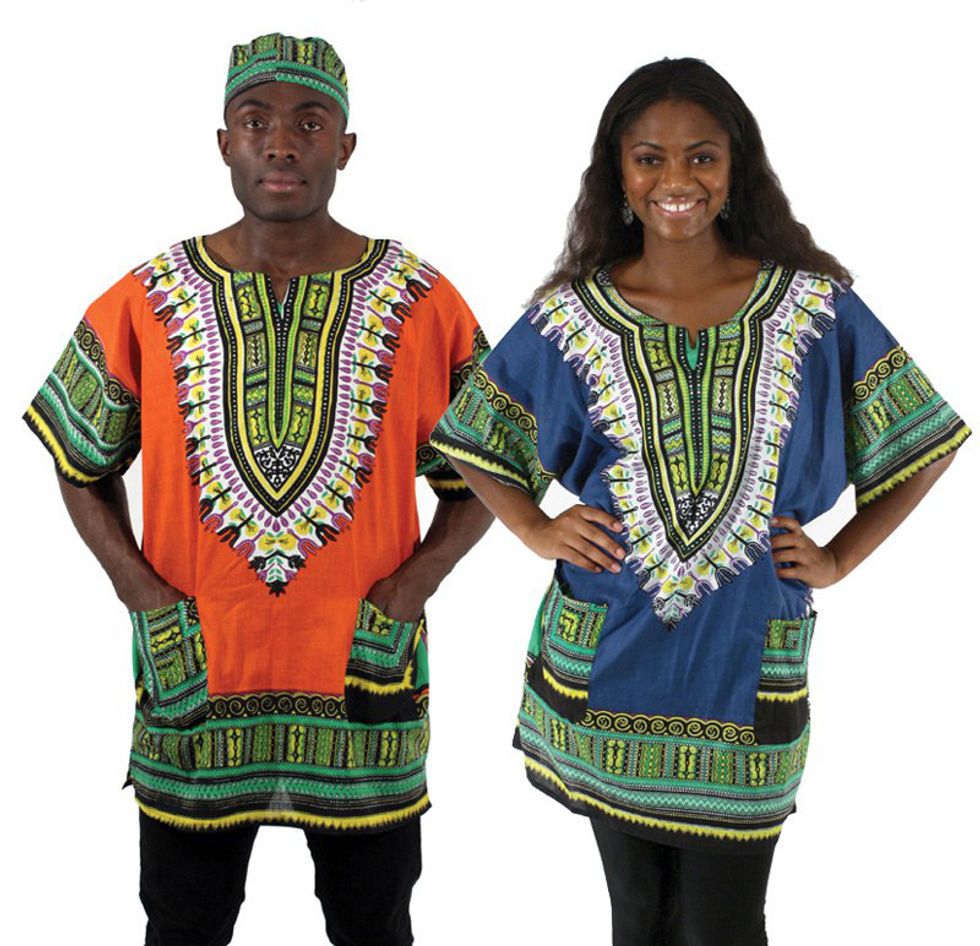

(The image on the left is of dashikis, and the image on the right is of cultural appropriation.)
What is the appropriate way to approach someone to ask them about their culture?
I love talking about my culture and explaining my heritage. It’s my favorite thing. I want people to know or to not assume anything about me or where I come from. If anyone came up to me I would tell them about my culture. My culture is different from other African Americans because it’s more than where you are from, it’s how you were raised and brought up. It’s different for everyone.
An Anonymous Student
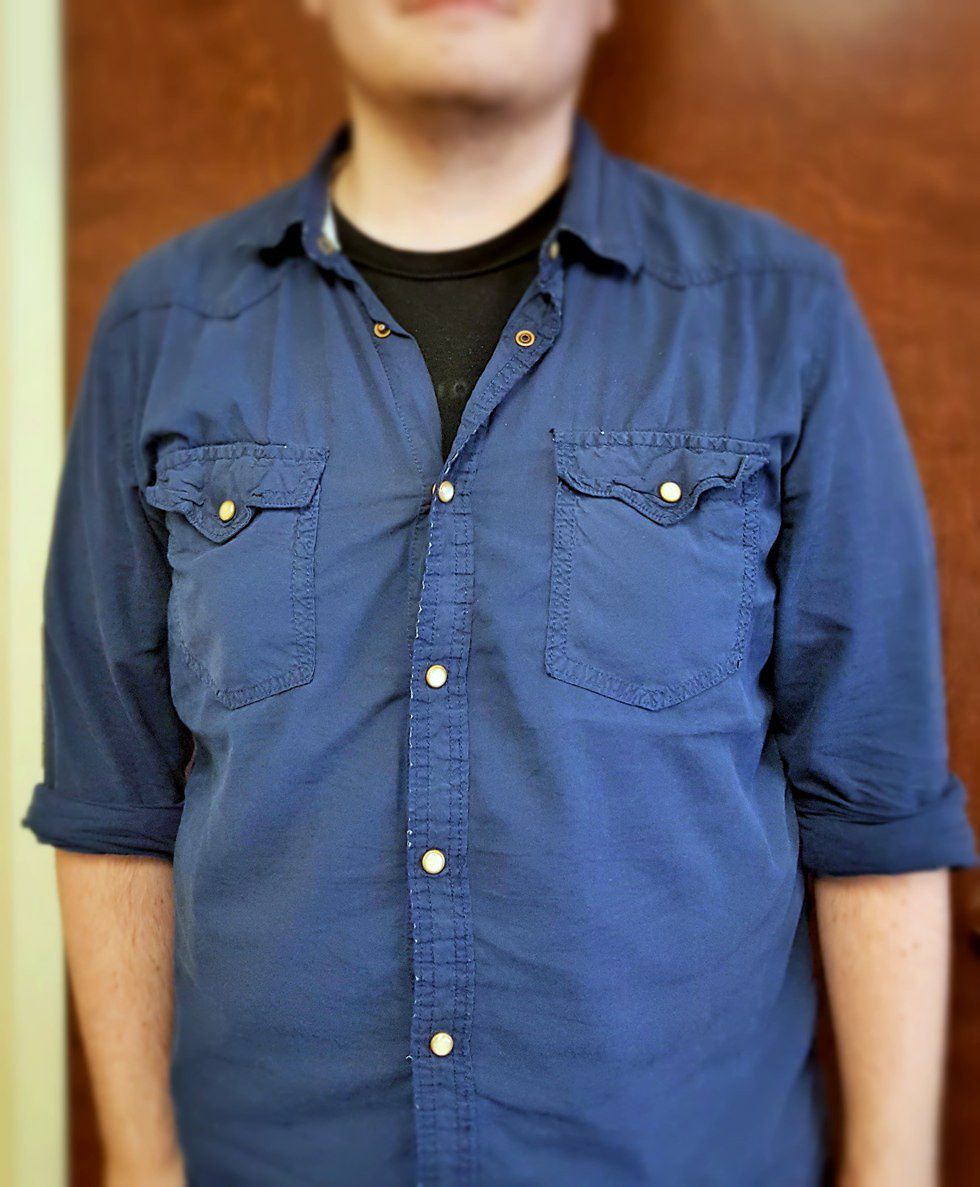
This student identifies as homosexual and wishes to remain anonymous.
This student is a senior at UNG. He is a Spanish major and a French minor. He has travelled to Mexico and has studied abroad in Quebec City, Canada. He is the Vice President of the French Club, and a member of the Gay Straight Alliance, the Spanish Honor Society and the French Honor Society. He works in the Language Lab at UNG. He won the Most Promising Student Award for Intermediate Spanish in spring 2014. He has one sister that goes to Piedmont, and his parents are from Atlanta. He was born and raised in the Dahlonega/Dawsonville area. A fun fact about him is that his love of Spanish even affects his car choices because he drives a Ford Fiesta!
Have you faced injustice related to your sexuality? If so, how?
Yes, I was bullied a lot in high school. I was sexually assaulted in high school when a student that was on the bus that I was riding masturbated and then wiped his semen on my face. Besides that, in college, the campus has been more accepting than the town of Dahlonega. The town is more behind the times; I’ve had slurs yelled at me in the Walmart parking lot, but the campus is much better.
What are some stereotypes or prejudices that you’ve experienced due to your sexuality?
Everyone thinks I’m really into fashion, and that I know all the gay people on campus or that we have all dated. There was also the stereotype that every girl wanted a "gay best friend" in high school.
How well do you feel like your sexuality is represented on our campus?
There is definitely a heteronormative stronghold on the campus.
Do you or have you ever felt threatened because of your sexuality either on campus or elsewhere in the world?
On this campus, no. In my high school, yes, there were definitely times where I felt unsafe. In other parts of the world, when I have traveled, I have felt safe.
What are some steps you feel need to be taken to address the diversity issues on campus?
Representation in general, and we need to pay attention to our rhetoric. Words can be damaging especially when you’re not inclusive. Political correctness is not necessarily a bad thing.
What can the town of Dahlonega do to become more accepting to diversity?
I think a lot of it has to do with education because people aren’t born with an attitude of exclusion. That is taught, so by teaching acceptance young, you can help make the population more diverse-thinking.
When someone says “that’s so gay” to refer to something, how does that make you feel?
It makes me feel like there’s something wrong with me. I’ve even heard teachers say it. It’s wrong, and it makes people seem uneducated. Even though the word stupid is one extra syllable, it better describes what people mean when they say that. You wouldn’t call a computer straight when it’s working correctly, so why would you call it gay when it’s not working.
What is the appropriate way to approach someone to ask them about their sexuality?
Be direct but be polite. I don’t mind questions, just be polite about it. Keep in mind that someone’s sexuality is personal.
This article is not meant to offend anyone, single anyone out or to say that anyone is better than another person. This article is meant to open eyes, start a dialogue and educate people. Please treat everyone equally and with respect. Always follow the Platinum Rule: treat others the way they want to be treated. Don't be afraid to ask questions and learn something new. Every day is an opportunity to make a new friend in the world. Do not take that gift for granted.