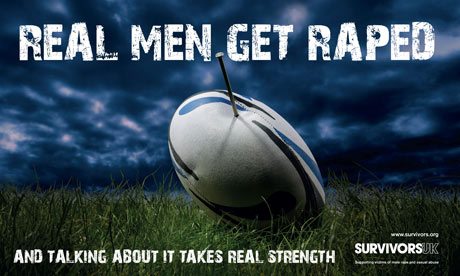
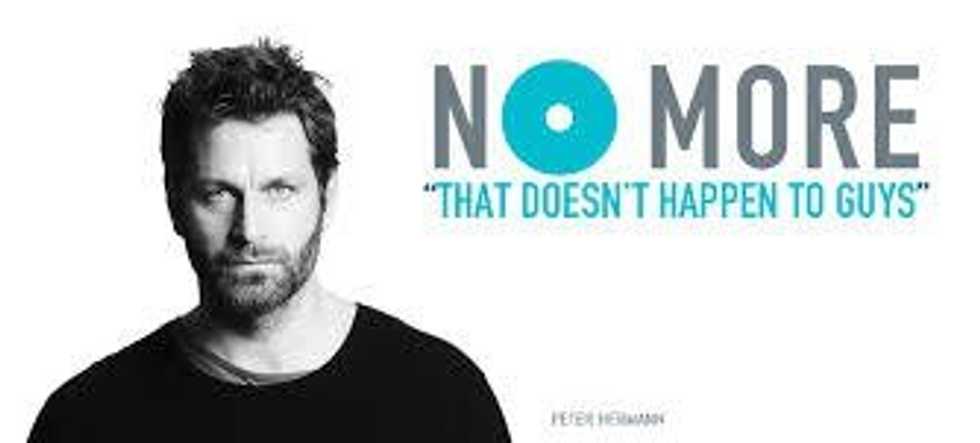
The discourse surrounding rape is consistently growing as public discussions, media attention, and testimony exploitations continue to occur. There is a common theme that runs through these conversations: female victims. While female rape statistics are staggering, inciting an effective reaction, the facts surrounding males are just as essential to the current conversation. Countless documentaries, articles, and books have been created to expose the facts and stories of rape victims. However, numerous these distributions are the incorporations of male perspectives are sparse. The brief references to male victims are having a significant impact on the rape epidemic. With this absence of voice, men are forced into a sort of hiding. This has resulted in a hesitation to both report and even discuss their experiences. This reluctance is detrimental to the cause, calling for male victims to have a much greater presence in the discourse on rape.
To understand how important this call is, it's necessary to be aware of how much of a role male victims play in the worldwide issue. According to After Silence,“ As many as 1 in 6 young males will be raped or somehow abused before they reach the age of 18 years old” (After Silence). Compared to the 1 in 5 statistic for women, these numbers are extremely similar. Taking into account the amount of people it takes to make this difference, it is still not as drastic as people believe. Given the correct information and education, the public would be able to understand just how prominent rape is for men, too.

It's true that women statistics are much higher than men’s, but this can be partially blamed on the issue of underreporting. In society, men have certain characteristics to uphold. Of these “manly” traits, being a victim is not included, especially surrounding sexual crimes. All men feel this pressure, this need to act and portray themselves in a particular way. For men who have been sexually assaulted, this pressure increases significantly. They suffer from many emotional effects in addition to physical trauma: “Male survivors can experience a wide array of emotions following a sexual assault including powerlessness, depression, anxiety, shame, and fear. They may also feel that they are ‘less of a man’ and no longer have control over their own body. [...] may feel a particular sense of disturbance from the notion that they could not protect themselves from an attack and were somewhat conquered. This can lead male victims to question their ability to be what they perceive as a ‘man’ and question their masculinity as a whole” (After Silence). Rape affects men in an extremely different way than it does women. Based on the expectations that surround them, such an experience can do very real damage. This damage has resulted in a reluctance to report rape, altering statistics in a non-constructive way.
It would be wrong to claim that male victims have no presence in conversations and media. People attempt to include them, but this inclusion is much too brief to truly make a difference. Simply stating their numbers without explanation seems to be the extent of incorporating men into the equation. This lack of insight into their experiences and emotions contrasts greatly when compared to female victims. In documentaries like "The Hunting Ground," majority of the film is narrated by females. Their experiences and personal stories run through the entire movie. There is a segment of the film that includes approximately two minutes of the male perspective. This minimal screen time further supports the fact that men are incorporated significantly less than females.
A victim is a victim—no matter their gender. It would be ignorant to not believe that women’s assault statistics are higher. However, the difference between their presence is concerning. Until male victims are included fully in the conversations and media, the issue of rape cannot be viewed and handled correctly.