The age old question of Android vs. iPhone. Before we get into the meat of the information, first allow me to prepare you for all this new information. Hopefully by the end, you’ll learn something new. What phone do you think of when you think iPhone? The answer is iPhone. What phone do you think of when you think Android? The answer is usually Samsung. This is usually the face of Android that people recognize. Let’s dive into why this is.
According to Market Share Data from Q2 2015, 82.8 percent of the smartphone market was controlled by Android and particularly the smartphone manufacturer, Samsung. Samsung, although only slightly recovering from continuous losses, moves more product than a narcotics trade system. Now why is that metaphor important? Because these Samsung devices are what most consumers are offered when they enter a carrier store to purchase a new phone. They see a Samsung phone and all of the bells and whistles and for a great number of people it’s too “over the top” and can seem gaudy.
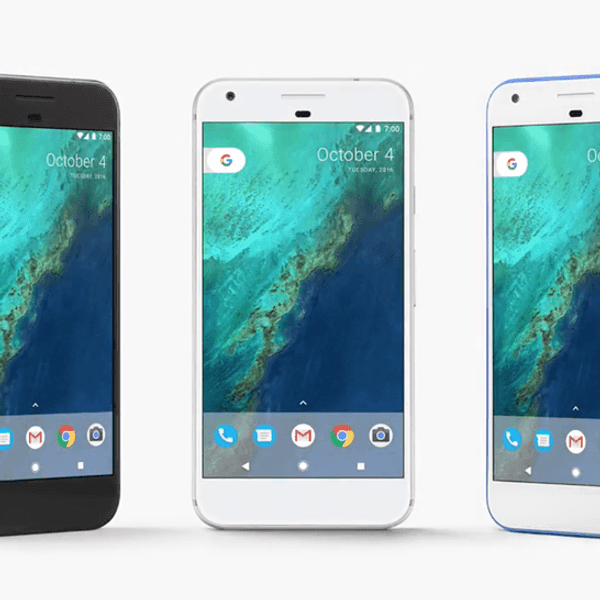
People enjoy the beauty of features with simplicity and minimalistic design. But I’ll talk about that more when I tackle Apple’s iPhone. It could be argued that the sales reps at the carrier store just want to sell you the Samsung smartphone because they make a higher profit margin off of that phone versus the iPhone, but that I guess is just speculation. Ahem, it’s true. Samsung of course isn’t the only maker of Android smartphones. Indeed, people sometimes never hear of Motorola, HTC, Lenovo, LG, OnePlus, Huawei, Xiaomi, Alcatel, Sony and countless others. And not to mention Google? Wait a minute, Google themselves makes a smartphone? Woah, okay. This needs some explanation.
Who makes the iPhone? Apple. Who makes the software for Apple’s iPhone? Apple. Interesting, so Apple designs the physical iPhone itself and the non-tangible software that consumers actually use and interact with? Interesting. Let’s be real for a second. This game plan is why Apple is so successful. Apple has complete control over the iPhone, at least for now. (Thanks FBI). And they have complete control over the software that goes into it. Android on the other hand is different.
The Android operating system is actually made my Google. The Android software is then distributed to the countless manufacturers of android smartphones. Now here is where the problem comes in. This software is often tweaked from it’s original form. What do I mean by tweaked? Okay think of it this way. Consider Apple’s iPhone software called iOS a pie. (Yes, an Apple pie) Once finished baking, nobody adds another layer of anything on top of it. (Not even ice cream). It is left alone. Android is different. Now think of Android as a pie. Once it is finished baking, every Android smartphone manufacturer takes home a pie. They then proceed to add a layer to this pie which often completely changes how it appears.
So what was once just a simple pie is now a hot complicated mess because other companies besides Google mess with the software before putting it into their phones. When other companies tweak the software before putting it in their phones, this is where the problems and glitches come in. Let’s just use Samsung as an example. The extra layer they add to the pie is called “TouchWiz”. This layer is what the consumer sees when they use the phone. It adds all the fancy features that attract the uninformed consumers. It also slows down the phone and causes the software to degrade and fall apart over time. Another problem is that because the company, in this case being Samsung, has tweaked the original software (think of the pie), updates from the original pie company (Google) have to ALSO be tweaked by Samsung or the company that changed the original software. Notice how clean the software appears to the left and how busy it looks to the right of the image from androidpit.
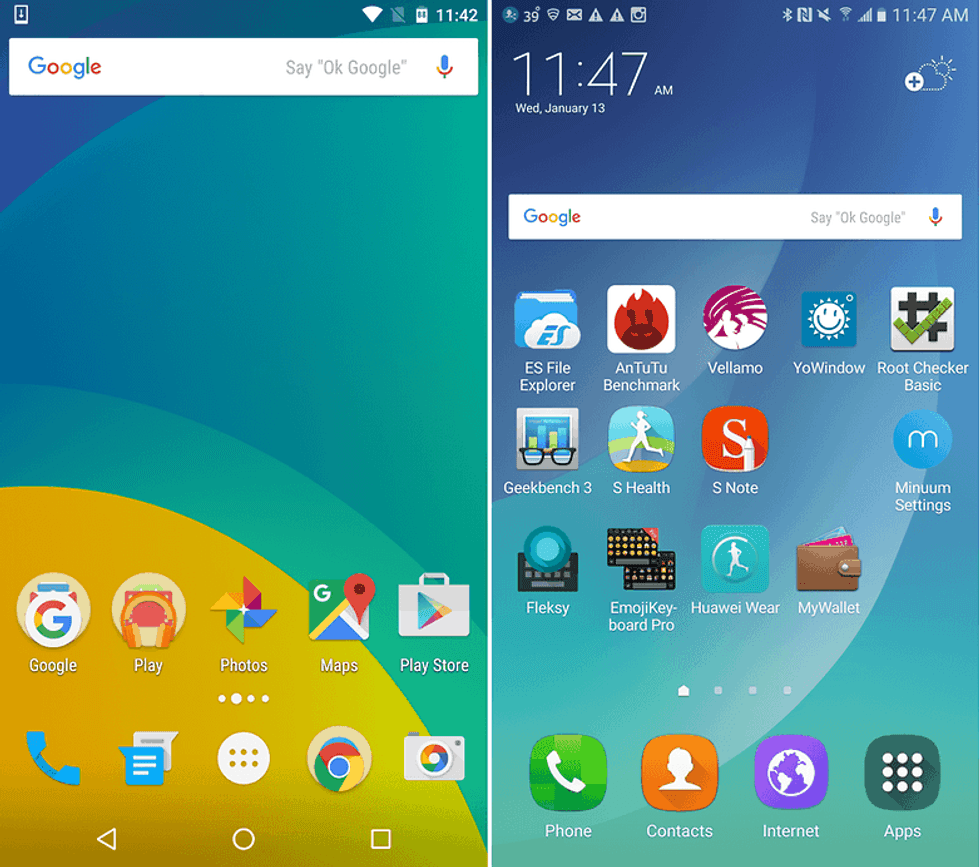
Image Credit: ANDROIDPIT © (Stock Android 6.01 - Left & Touchwiz Android 6.01 - Right)
For more comparison images, please check out androidpit's full comparison between pure android and the “tweaked” versions of android from various manufacturers. Because of all of this tweaking, people have a negative impression of Android and they believe that all Android phones are simply “bad apples” (Stop me. I’m running a muck with puns). They think they are too complicated and not simplified or even premium enough for all consumers. Earlier I mentioned that Google was a smartphone maker. Well in a sense yes. Google actually does make their OWN smartphones in a way. They partner with specific manufacturers each year to build smartphones for their Google Nexus smartphone product line. So yes, Google’s own smartphones are called Google Nexus.
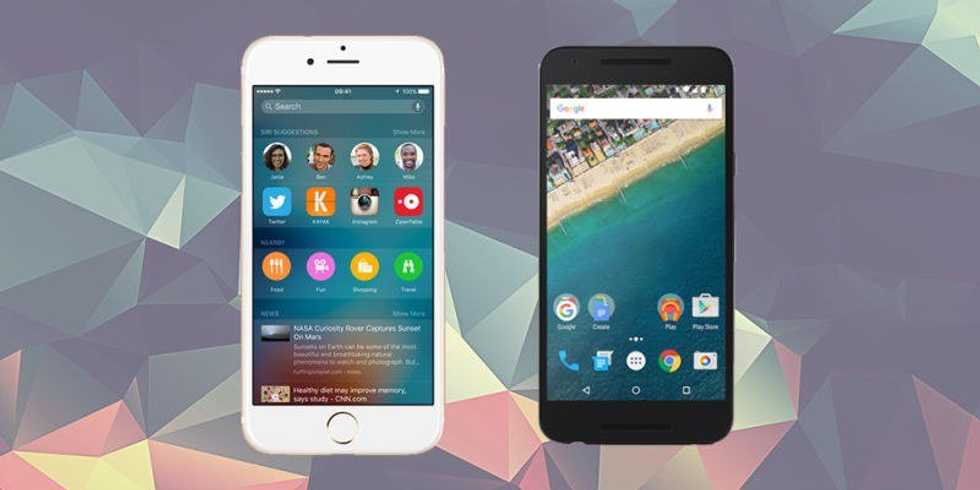
So what is so different about Google Nexus? Google Nexus comes only with with Google's software. Unlike other Android Smartphone manufacturers, Google Nexus phones only come with Google-made apps and no bloatware or third party apps which crowd your phone. Pure Android is simplistic, easy to use, intuitive, and takes full advantage of Google's service. According to the Google Store, examples are, "Search, Maps, Photos, Chrome, YouTube, Gmail, Drive, and Google Now." And without any of the preloaded third party apps like many other manufacturers include, Google Nexus' are the most iPhone-like Android phones. To recap, what I mean by this is the iPhone's software is controlled by Apple and only Apple just as Google Nexus phones' software is controlled by Google and only Google. This is what makes it the "iPhone" of the Android world. Take a look at this operating system comparison by BGR.
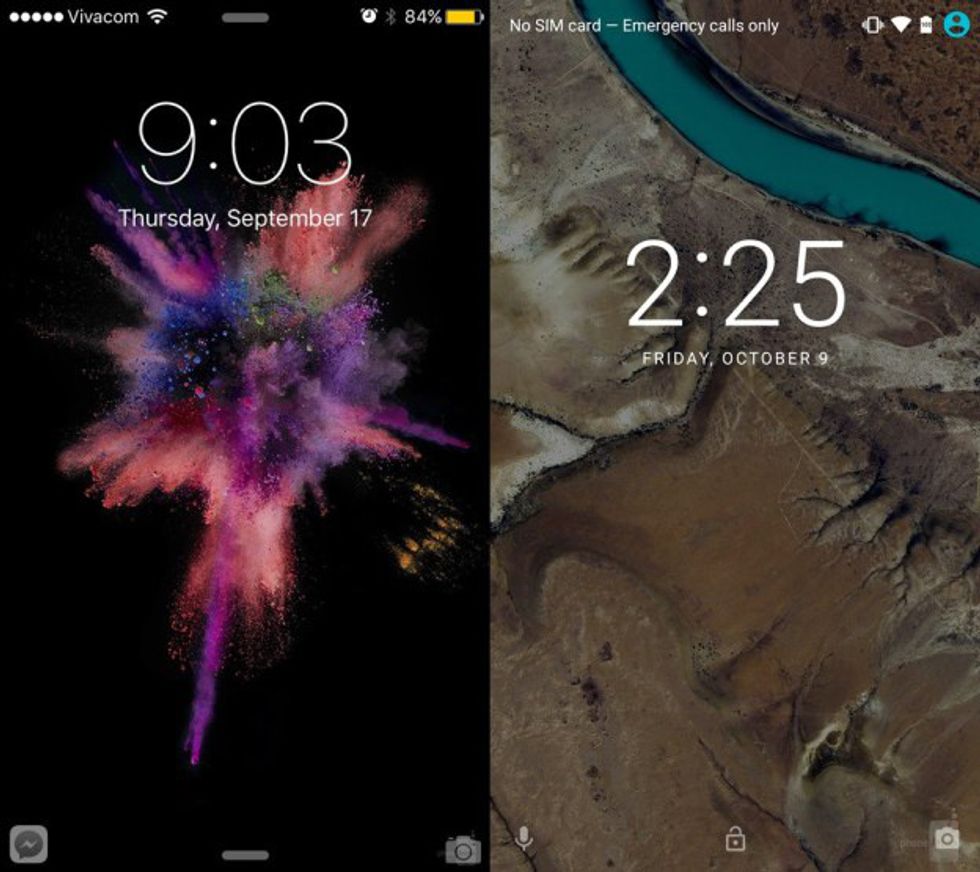
Image Credit: BGR (iOS 9.0 - left & Android 6.0 - right)
These first images are of the lock screen's of both operating systems.
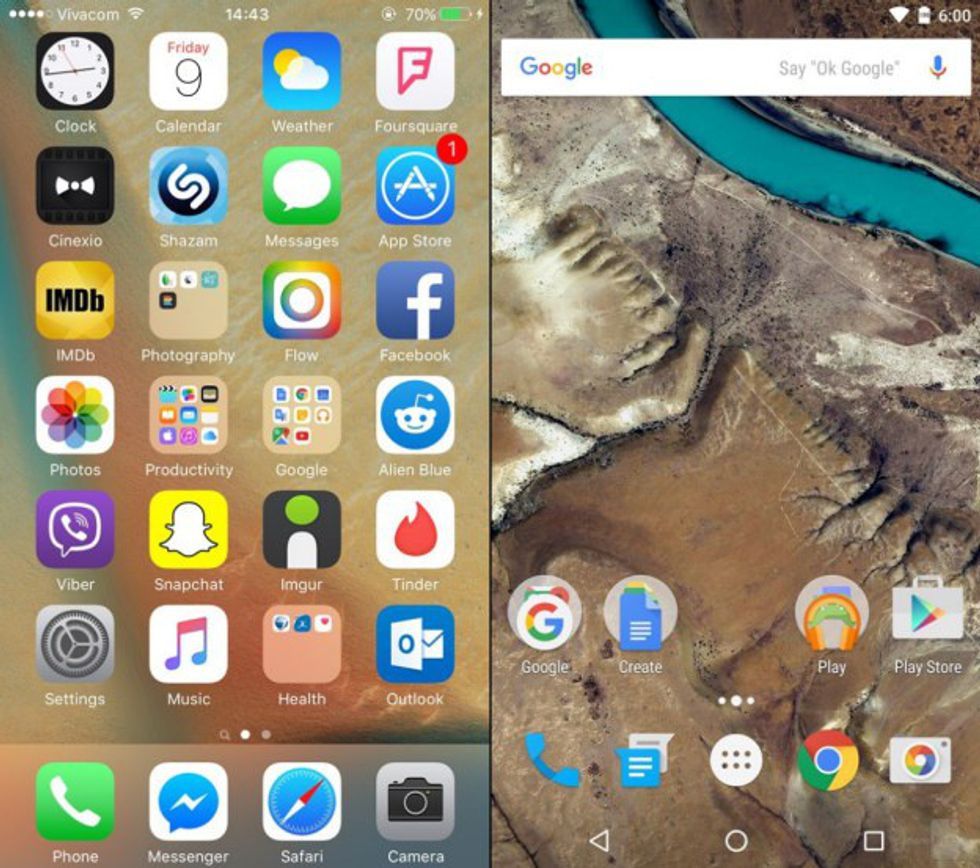
To see more comparison images, please check out BGR's full comparison. These second two images are of the home screens of the two operating systems. Notice how both are very minimalistic and simple in appearance. However to be fair notice on the left, the iPhone home screen seems a bit crowded due to user installed apps, meaning apps that the user of the iPhone actually installed themselves. The Android phone on the right is free of those on the home screen as most of the apps are hidden in what's called the app drawer (The white circle with six dots in the bottom center).
Both operating systems are clean, fresh, and simple. Android is unfortunately marketed majorly by Android smartphone manufacturers who tweak android with layers (think of the pie) and third party apps. Apple's iPhone has a marketing advantage of being known as the simplistic smartphone because it is seen as pure, fresh, and basic, etc. with none of the degradation that falls upon some Android smartphones. Apple's iPhone is no longer the unique phone. It has become the "groupthink" phone. People buy the iPhone because there is this misconception that the iPhone is the most intuitive smartphone in existence. However, if people knew of the Google Nexus smartphone line and how intuitive it is, I believe they would not only think twice before buying an iPhone, they would become team Android. And not just team Android; team pure Android, just like me.