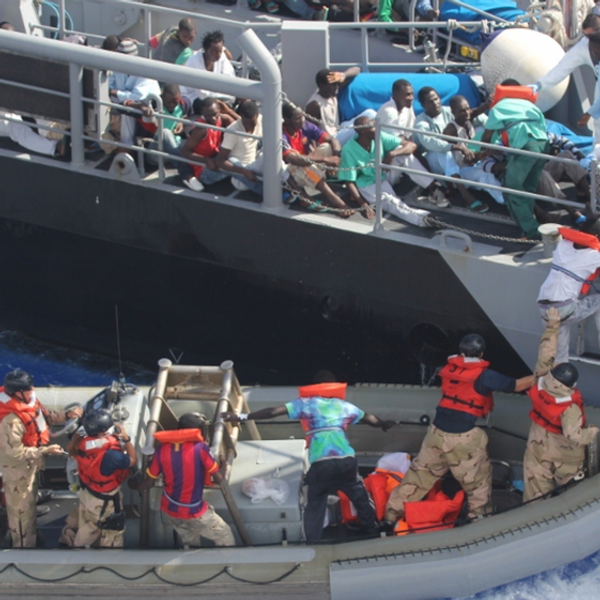
Newspapers, social media and casual conversations over current affairs are rife with breaking news concerning the tidal wave of undocumented immigrants that have flooded welcoming and not-so-accepting European countries in the past few weeks. A couple of weeks ago, I wrote an article about the immigration crisis. I gave my perspective, as a European citizen, on why many countries' governments are unwilling to accept the refugees fleeing from civil war. My article was filled with quotes from politicians, statistics and data. However, with all these numbers and figures I failed to recount the tales of any refugees' stories, and this is a problem that is ongoing in the news: Hardly any of the refugees' stories are told.
How are we supposed to even partially understand their desperation to find sanctuary when we don't know what they have experienced? With all the horrific events recounted by the news daily, as a society we have become numb to the specific experiences and circumstances that numerous people live through. We hear that another 50,000 have fled Syria and it is just a fact to us. We fail to fully understand why, we fail to completely empathize, and we fail to ask what we can do about it.
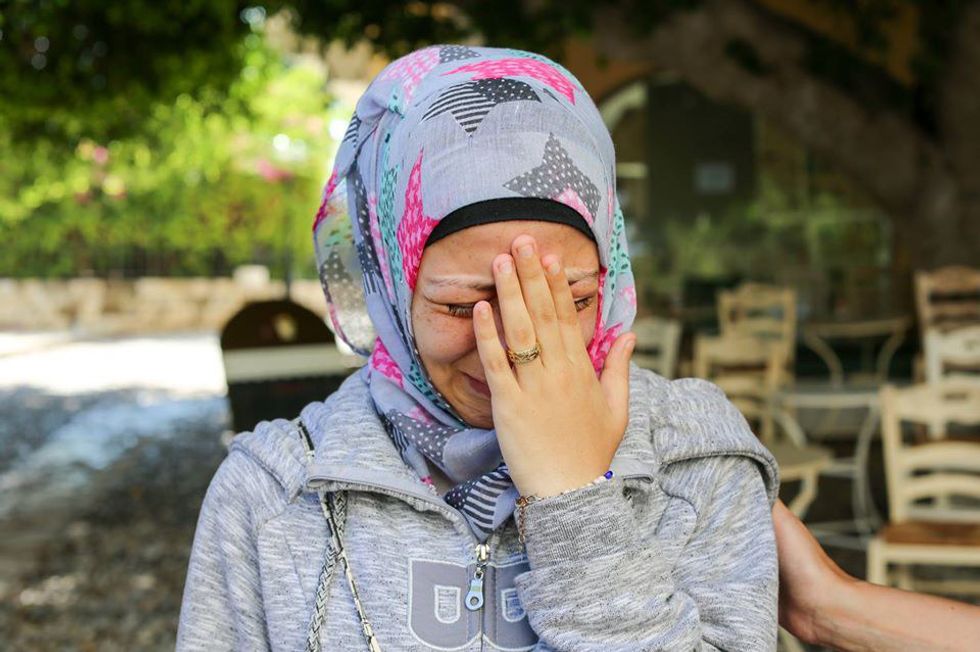
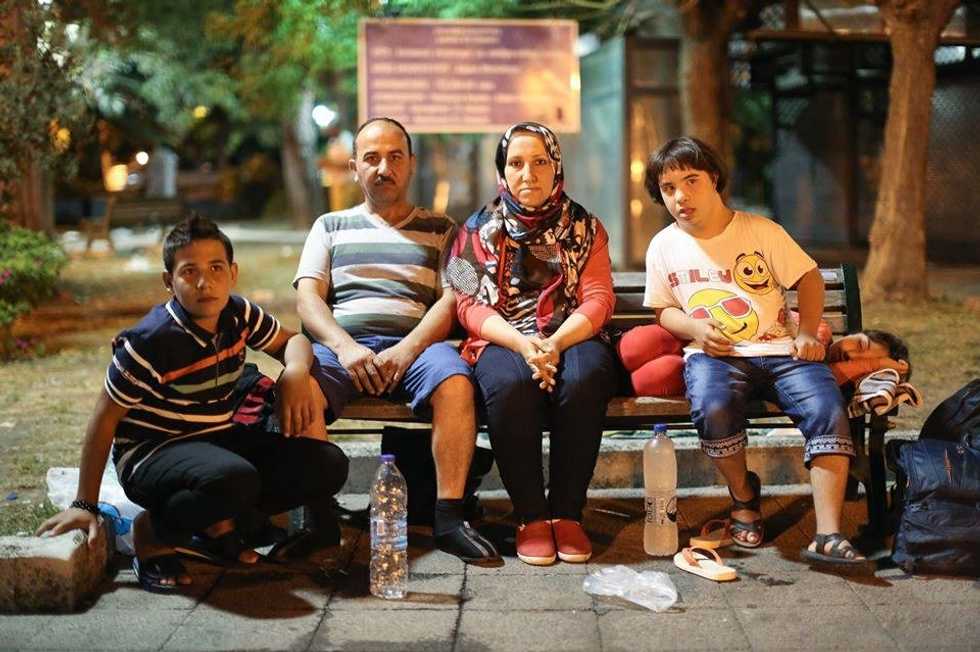
Thankfully, there is a source that is determined to give a voice to this largely anonymous and largely suppressed group; the Facebook page Humans of New York. This page usually posts pictures of New Yorkers with a quote by the person photographed. The quote may be mysterious, vague, upsetting, uplifting, heart wrenching or intriguing. With over 15 million followers, the page is highly read and highly followed on social media. Recently, the photographer travelled to Greece and interviewed many refugees who fled on boats across the sea to seek asylum. Their stories finally give insight into the horrific events that these people have lived through. One family stated that “there is no security in Baghdad. We lived in constant fear. We started receiving text messages one day. They said: ‘Give us money, or we will burn down your house. If you tell the police, we will kill you.’ We had nobody to turn to. We are poor people." They continued, "we were so afraid that we could not sleep. We had no money to give them. We could barely afford to feed ourselves. So we said to ourselves: ‘Maybe they are lying. Maybe they will do nothing.’ Then one night we woke up and our house was on fire. We barely escaped with the children. The next day we received a text message. It said: ‘Give us money, or this time you will die.’ I replied that we’d pay them soon. We sold everything we owned, and we left."
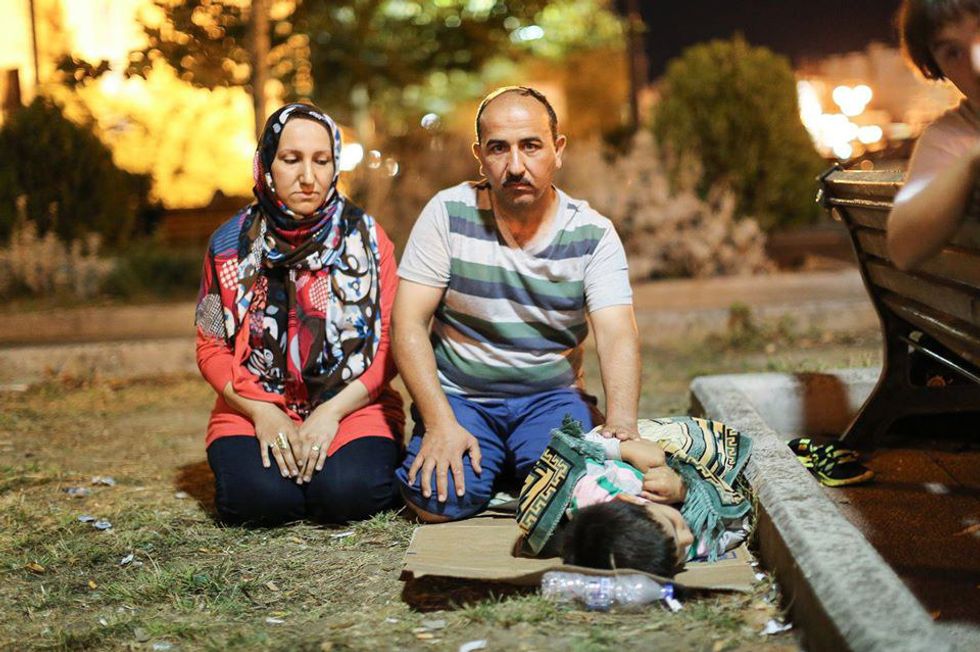
One refugee interviewed, Muhammed, tells the most upsetting and tragic story of all. He recounts that, "My brother had been killed by ISIS while he was working in an oil field. They found our address on his ID card, and they sent his head to our house, with a message: ‘Kurdish people aren’t Muslims.’ My youngest sister found my brother’s head. This was one year ago. She has not spoken a single word since.”
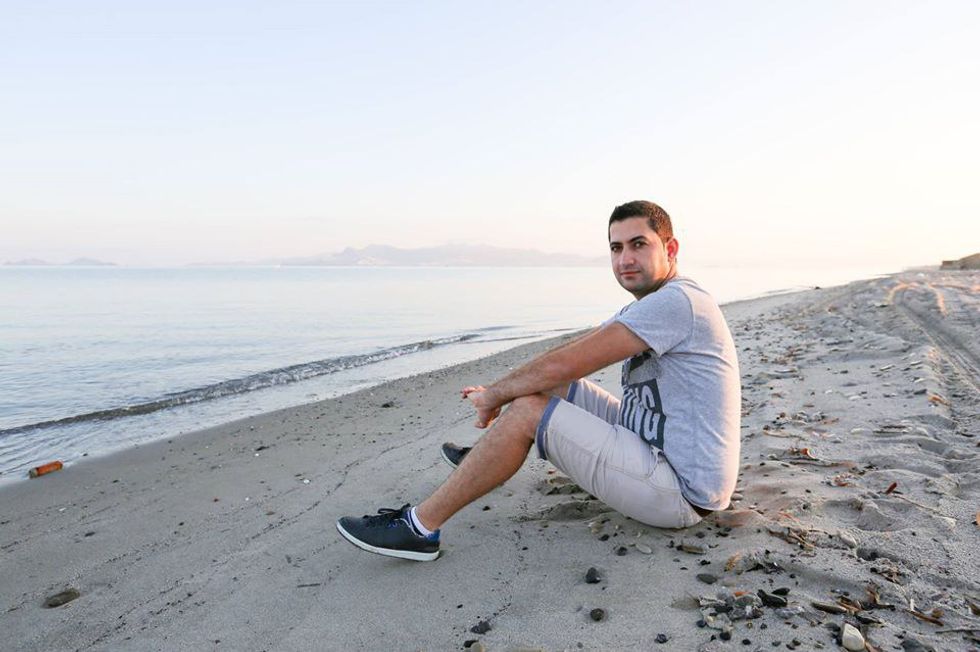
The refugees' plight can be seen most clearly as one family explained that "we thought we'd rather die in a plastic boat than die there.”
And that is the choice many face; the certainty that they and their children will die violently in their own home, or the small chance they may survive the trip across the ocean and encounter a better life. The stories the refugees tell are hard to read and even harder to reflect on, but it is important that we do. We are citizens whose countries are not filled with corruption, upset and violence. We are extremely privileged as we sit behind our computers in our homes reading about the crisis. The least we can do is read these accounts and understand and empathize with these people's stories. The refugees are not "illegal immigrants" who should be treated with disdain and fear at the border; they are human beings who have managed to survive war, violence, death, tragedy and corruption. They expect nothing; they simply search for safety. It is important we give it to them.