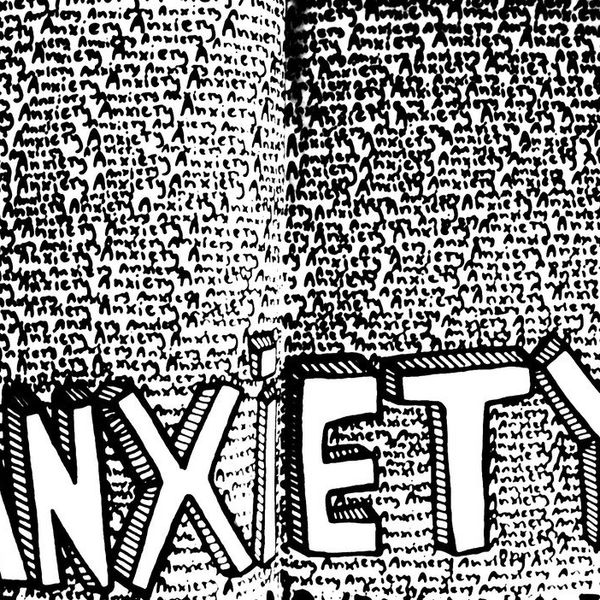
The air is filled with leftover energy from weekend ventures: late night dancing, salty seaside walks on a clear day, or joy-filled days with a group of friends. You’re sitting in a classroom filled with young students, all boasting about their weekend on an early morning class; some sharing their Instagram pictures and others simply reminiscing fond memories. Meanwhile, you can’t help but feel a pang in your heart as you hear these stories in hope that maybe one day, you too could feel some of that enthusiasm. That one day you won’t feel like an outsider looking in.
It is hard to admit, even to yourself, that when you stop to look around, you realize just how alone you can feel in a room full of people. You often feel out place and wanting to make that connection, but clueless on how to go about making conversation. Most of the time, you blame yourself, question your judgement and, even worse, go down a road that leads to self-loathing. I’ve personally been through all of these phases as I’ve struggled to come to terms with my lack of friendships and meaningful relationships. I am not ashamed to admit that it hurts. It hurts to question yourself and land in a dark place where you subject yourself to rigorous forms of self-torture. "Am I not worthy of others?" "What am I doing wrong?" "Is there something in me that people don’t like?"
These are all questions that, at one point, you ask yourself and don’t end up with the answer. Isolation is a present feeling and one that doesn’t seem to ever go away at times. Then I realized what the real problem was; it was not one that I created myself, but rather of how others perceived me and treated my “situation.”
There are several reasons why people, more specifically college students, are without friends. In most cases, it is simply too hard to develop friendships so much later in life. Other times it’s a personality thing or at one point they simply give up. This does not mean they lack emotional responses or empathy. Occasionally, you’ve been hurt by a friend whom you once considered almost like family and, just like in a romantic relationship, you lose trust. Unconsciously, you don’t seek permanent relationships after that experience. For whatever reason, having friends shouldn’t be another aspect of your life people should judge you for.
In almost every college film out there, friendship narratives are advertised as having the main character, who is usually a loner, finding their niche or a group of people who happen to be just like them at the end of the film. However, they don’t tell you the reality of how hard it is to make friends and how much investment there is in nurturing these relationships. How sometimes time, anxiety and fear take over at the thought of having to speak with someone you don’t know and initiate some form of contact. To put yourself out there, with all your fears and insecurities, and hope you don’t fall flat on your face.
Somehow, I’ve managed to come to a place of acceptance and understanding on this matter. I now realize that it is okay to be in the company of your own solitude and only interact in brief social occasions if that’s what makes you happy. That it is enough to enjoy the company of your family and count yourself lucky that they are the most significant relationship in your life. You shouldn’t have to justify yourself to anyone and feel less of a human being because you can’t tag more than five friends on an Instagram post or feel the constant clatter of your phone going off because you’re in three different text groups.
The pressure is one that most people don’t talk about or acknowledge. I mean, who would ever think that not only people but college students could lead their life without a group of friends. Solitude is a tricky thing and often carries the stigma of unhappiness or is accompanied by depression. Often, one can find themselves alone and drifting from person to person without really knowing why. The emphasis by others on their lack of friendships is often harder to handle than being alone.
Now, being without friends is not altogether a bad thing. This can lead to self-development and nurturing of other meaningful relationships. If you are someone who finds themselves in this situation here are few helpful things. Read. Read as much as you can and empower yourself with knowledge. Take this time of solitude to cultivate your mind and broaden your scope on life that maybe you wouldn’t have time for if your “social” life was more active. Also, support your body and develop it. Go for a run or a swim. Fill your days with self-growth and do things you’ve always wanted to do that you otherwise couldn’t. Remember, there are people out there who feel this way and you can take comfort in this fact.
Finally, the most important piece of advice I can give you is this (in fear of sounding too cliché): Stay true to yourself and don’t ever change for anyone.