
As an early Facebook user, around 2009 or so, I found it urgent that I fill out each and every bit of information on my profile. Whether that be what my future high school education was, movies I had seen, or who I considered my honorary family members. One that I find the most embarrassing retrospectively, is that as a 14 year-old with no political knowledge at all, I put "Liberal Nutjob" as my political view.
Nearly seven years later I laugh at myself for that, because I know now which side of the spectrum I fall on, but the me who had made that prediction had no idea why. There are many people like me who identify more strongly with one party, but don't know why they feel that way. This lack of knowledge often leads to a lack of willingness to participate in voting on legislation and electing politicians, whether that be on a local or federal level. I like to refer to this lack of participation as a democratic stasis, simply because it does just that – freezes democracy from being productive.
Democratic stasis can result from several factors – whether it's being intimidated by the density of the subject matter, or simply not knowing about certain bills being voted on, or not knowing about political candidates and what they stand for. In any case, it's alarming how much power our generation holds, and wastes, on a regular basis.
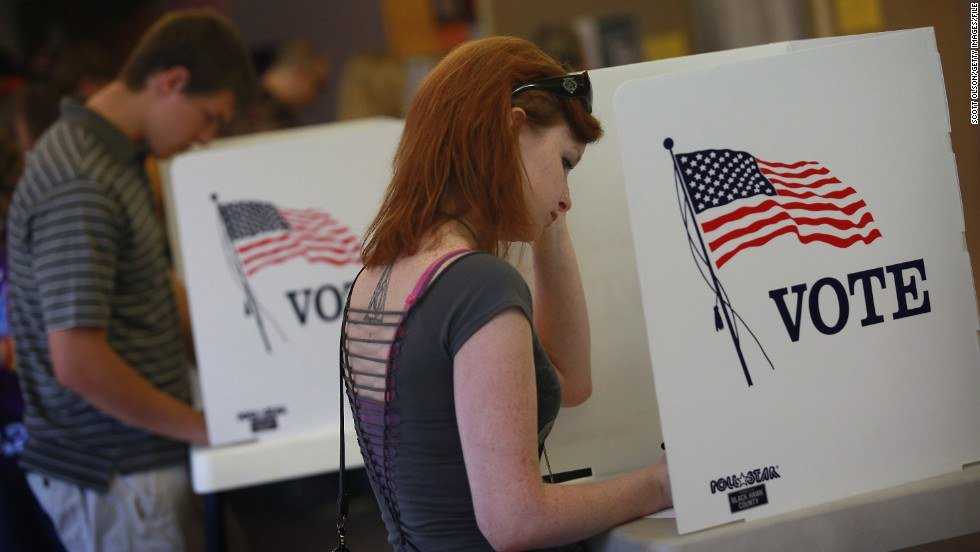
In fact, the amount of people that vote per age group tends to increase as the age gets higher. There are an astounding amount of young people that say they are democrats or republicans, yet choose not to vote or feel like they don't know enough to vote. According to "The Economist," a large reason why young people (mostly those 18 to 24 years-old) don't vote is because they don't feel like they play a large role in society and the democratic process, or likely a more common reason, they care the least of all age groups.

In a sense, it's understandable why young people don't believe they play a crucial role in society. I know many of my peers who don't vote because they believe their vote won't end up being the swing vote. That may be true, but if one out of every three people between the ages of 18 and 24 think this, we just lost a third of that age groups' vote. Not to mention, many don't even register, making the voting process even longer and seemingly more out of reach.
One potential solution to this may be deliberative polling – designated times that are set aside for talking about issues in a formal but forum-style event. This could educate those who were willing to attend, but we may run into a similar problem; the same people who don't vote now wouldn't want to attend the deliberative polling days.
Though America literally sends a pamphlet of information about each candidate and issue to our door, the jargon and language used in the pamphlet may not be easy for every citizen to understand. The jargon-filled language makes it a chore to understand the issues that we are voting for. There are so many roots to this problem, but I think a solution is definitely within reach – it's just a matter of the willingness of our generation to educate ourselves and want to be a key role in elections and law making.