Feminism seems to have developed this ridiculous stigma that those who identify with it are a bunch of man-hating, bra-burning, hippie witches. People equate this word to the idea that women are superior to men and are pushing for a matriarchal society, which is simply not the case. This way of thinking only proves the need for a widespread conversation about the term itself. The word “Intersectional” has recently been used by feminists to further explain the movement, but what does it really mean? It’s simple, really. Intersectionality is the focus on equality across all sexes, races, abilities, sexualities, and so much more. It is an all-encompassing inclusivity in the fight for equality. The meaning behind the term “feminism” has changed dramatically over the years and to understand the need for intersectionality, we must first examine its history.
The first wave of feminism, which began in the late nineteenth century, primarily focused on equality for caucasian middle-class women in terms of wanting the right to vote. This time is characterized by events like the Seneca Falls Convention and people like Elizabeth Cady Stanton. This is the stuff your high school history teacher probably mentioned a few times in class. When I looked back on this topic in my education, I don’t remember any of my teachers mentioning the lack of inclusivity in this movement, although this conclusion can be drawn simply by looking at the historical context. While this is still considered the spark for the entire feminism movement and is extremely important, it is more important to recognize that feminism itself is the focus on equality for ALL, not just those who meet a specific criteria.
The second wave occurred between the sixties and the eighties. This is the feminism characterized by people like Gloria Steinem and Betty Friedan, author of the “Feminine Mystique.” The second wave was all about jobs and gender discrimination. This is where we see one of the most major shifts in the view on women in the workplace through the help of the National Organization for Women. While this movement actually did involve African American women, their roles never made it to any of the leadership positions. Yes, the movement dramatically helped the progression of women into the workplace, but it still cannot be considered intersectional. To learn more on the second wave, check out Tavaana's article on the movement.
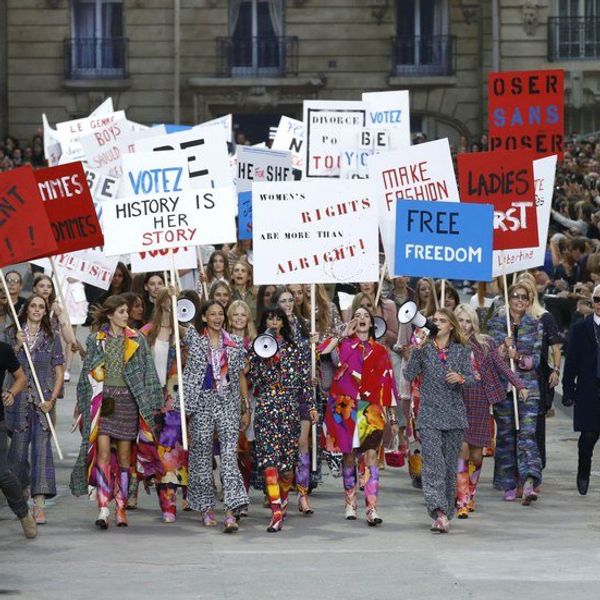
The third wave, which began in the nineties, helped develop the feminism some think of today. It was all about women being viewed as intelligent and more than just their bodies, but the approach was vastly different from that of its predecessors. This wave was the most inclusive for women, but it still lacked the focus on social, economic, and racial equality to be considered intersectional. This is also the time period where the majority of the negative stereotypes surrounding the movement arose. The main issue with this wave was it’s use of rather extreme tactics to push these views, thus turning people off to the idea of feminism. The third wave is around the time where the lines between feminism and misandry were blurred, which is why today some people view it as an abhorrence for men. For more information about the different waves, Martha Rampton's "Four Waves of Feminism" does an excellent job of summarizing it.
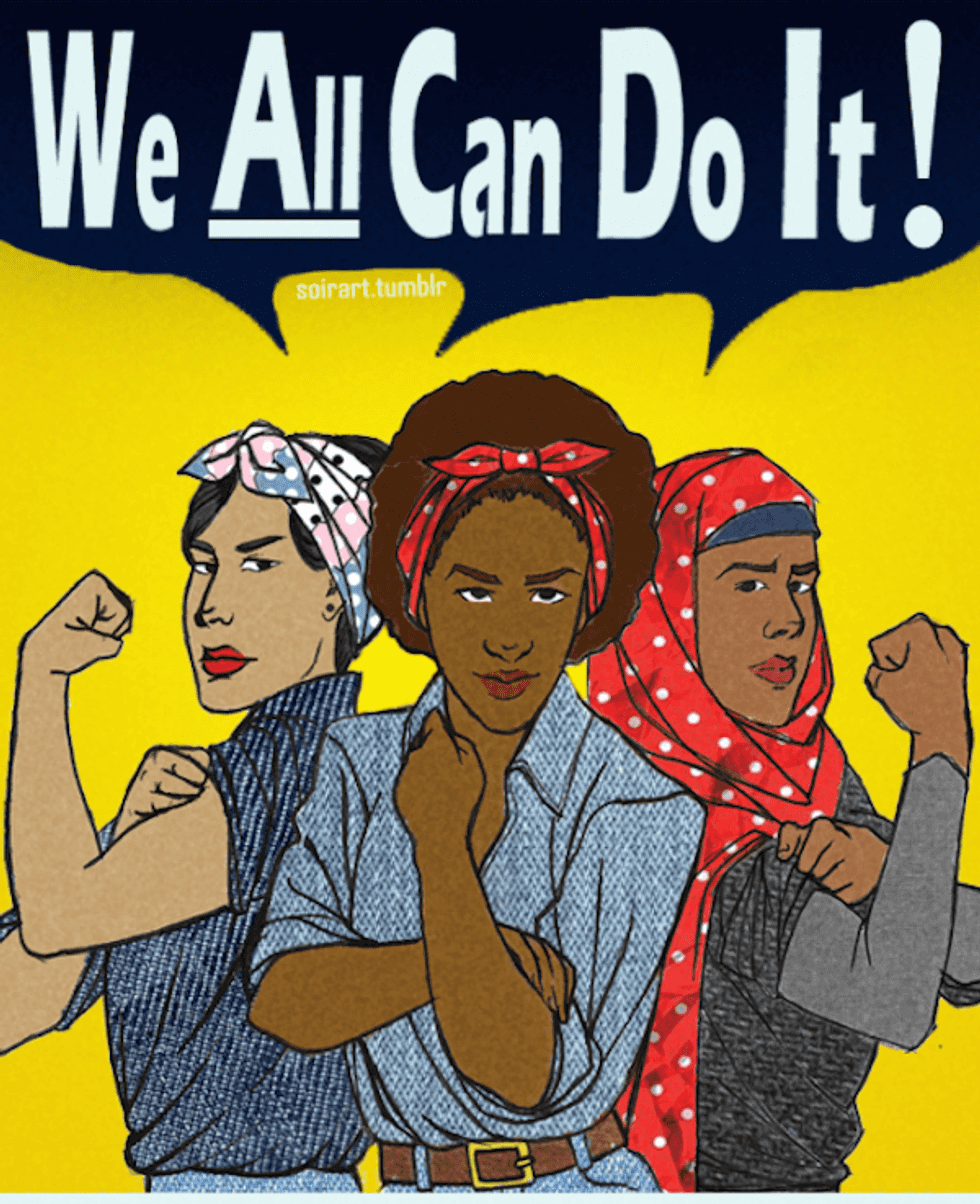
So, here we are: 2016. Times have changed dramatically in the last 100 years, but we still have a long way to go. The importance of this newest wave is its focus on inclusivity, thus coining the term “Intersectional Feminism.” The difference being that intersectionality encompasses all humans, regardless of gender, sexuality, disabilities, economic status, etc. Which, when you look at the larger picture, is the entire purpose of feminism (see, no man-hating). It’s about equality. Equality can only ever truly be present when it is representative of all people. Equality for some is why there were so many issues with the first few waves after all. By staying in that mindset, there would never truly be equality.
The key to understanding Intersectional Feminism is the focus on the overall understanding of how women of different backgrounds (i.e. races, sexualities, ages, ability levels, etc) undergo different forms of oppression. It’s about expanding your mind to encompass not only the issues you face but those that people face all around the world. It is about standing together and creating a future based on equality without exceptions and without limitations.
So how do we move towards a society that reflects these views? Well, for starters, we start by identifying our own privileges. For example, if you can walk outside and feel completely comfortable holding your significant other’s hand, you are experiencing heteronormative privilege. Through identifying our privileges, we can expand our view on the world. The need for intersectionality is made apparent in the fight for equal pay. I’m sure most of you have heard the issue that women make 78 cents to the man's dollar, but what you don’t know is that this is the non-intersectional view. What we don’t hear is the fact that African American women actually make 64 cents to the caucasian male’s dollar. To take this even further, Latina females actually only make 56 cents to the white man’s dollar. This isn’t even examining those from the trans community or the LGBTQ community. The differences in pay were made apparent by AAUW, whose article on the gender pay gap was written from an entirely intersectional standpoint. Through saying that we don’t need feminism, one is lacking the full scope through failing to identify one’s own privilege. Yes, you may feel as though you specifically don’t need it, but it is important to recognize that these issues still exist.
Feminism is NOT women hating men. It’s NOT women’s equality for those who have the privilege of experiencing it. It is NOT a bunch of women burning bras and claiming superiority to men (although women can burn their bras because they are entitled do as the please with their bodies and property). Feminism is the simple notion that ALL people should be treated equally. Society is in desperate need of understanding that the word “feminist” is not a dirty word and that those who believe in equality are, indeed, feminists.