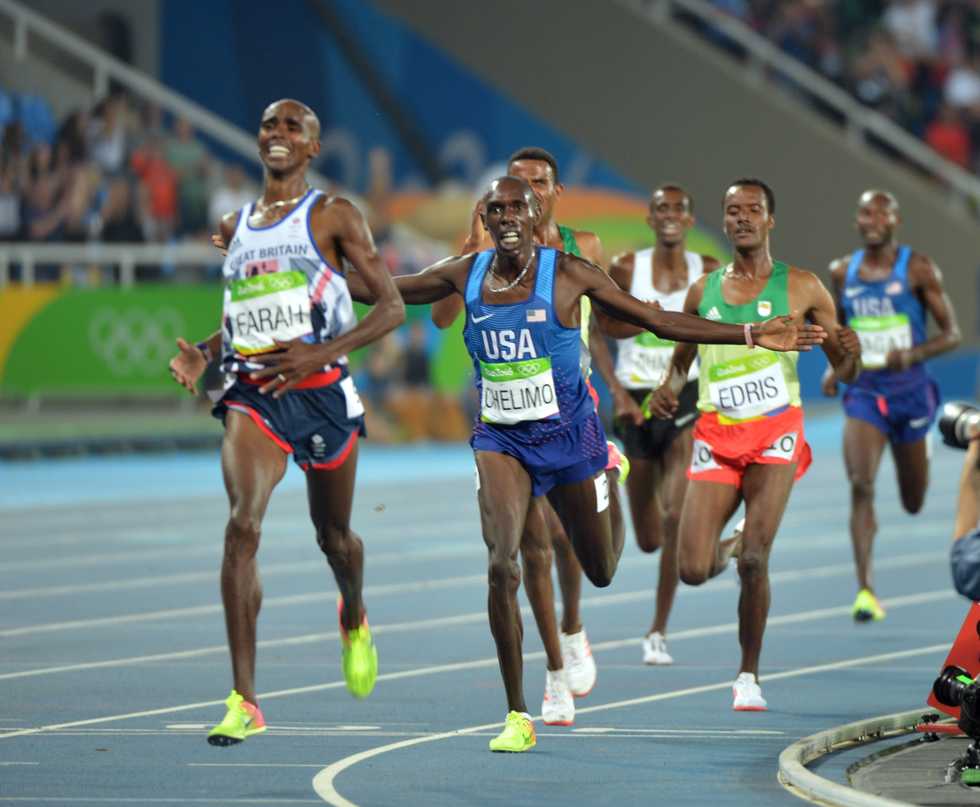
If anyone follows international sports, Paris has recently announced that they will be putting a fierce competition for the 2024 Summer Olympics. Los Angeles, the other bidding city for the 2024 Games has also doubled down, expanding their Olympic board as well. In the past few years, Boston, Rome, Hamburg and Singapore have all tried to take a shot at hosting an Olympiad, but they have all joined a list of dozens of cities that have withdrawn or failed their bid. In this list also exists cities that have not responded or turned down an offer by the U.S. Olympic Committee. Interestingly enough, this list also includes two major Florida cities - Miami and Orlando.
This brought up a very small, very brief discussion: can Florida realistically host an Olympiad? Florida is a very tourist oriented state, so hosting a massive international event shouldn't be too hard, based on the current assessment of Florida's tourism and entertainment sectors. However, likely host cities in Florida are very limited. Realistically, a bid would go down to either Miami (one of the largest metropolitan areas in the United States) or Orlando (the "Tourist Capital of America"). So let's assess what these two cities have to offer.
Miami
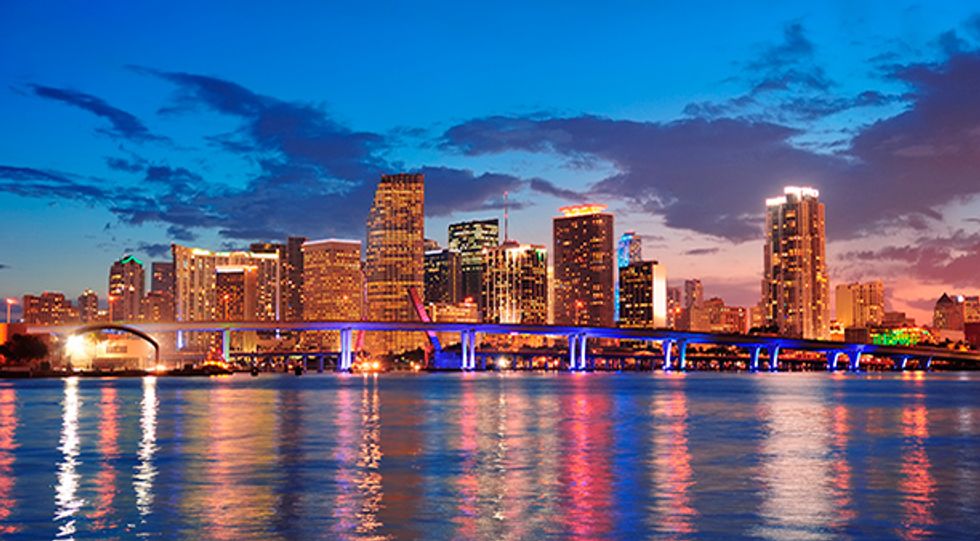
Miami is the gateway between the United States and Latin America, and thus has become a major city in its own right. The southernmost hub of trade, entertainment, finance, culture and arts could have a shot at proposing a strong bid for any future Olympiads.
In terms of sports, Miami has hosted three NBA Finals in a row (2012 to 2014) at the American Airlines Area. In addition, the Hard Rock Stadium has hosted the Orange Bowl (an annual college football game) for the last decade, in addition to hosting five Super Bowl games (the most recent, Super Bowl XLIV in 2010). And for 2020, the Hard Rock Stadium was selected to host another Super Bowl (Super Bowl LIV). Miami is also home to the Marlins Park (hosted the 1997 and 2003 World Series) and the BB&T Center (second largest indoor arena in Florida, just a thread below Tampa's Amalie Arena). Although new multi-sports complexes may need to be considered (or refurbish performing arts centers and other venues), Miami has proven itself capable of large sports events, and maintaining its status as an international hub of all.
For tourism, Miami is famous for Miami Beach, one of the most visited beaches in the United States. Among Miami's neighbors are the Florida Keys (another highlight of Florida tourism) and the Everglades National Park (the largest tropical environment in the U.S. and a natural wonder), and is a couple of hours away from the heart of tourism in Florida (Central Florida), which is the next likely bidder for a Florida bid.
Orlando
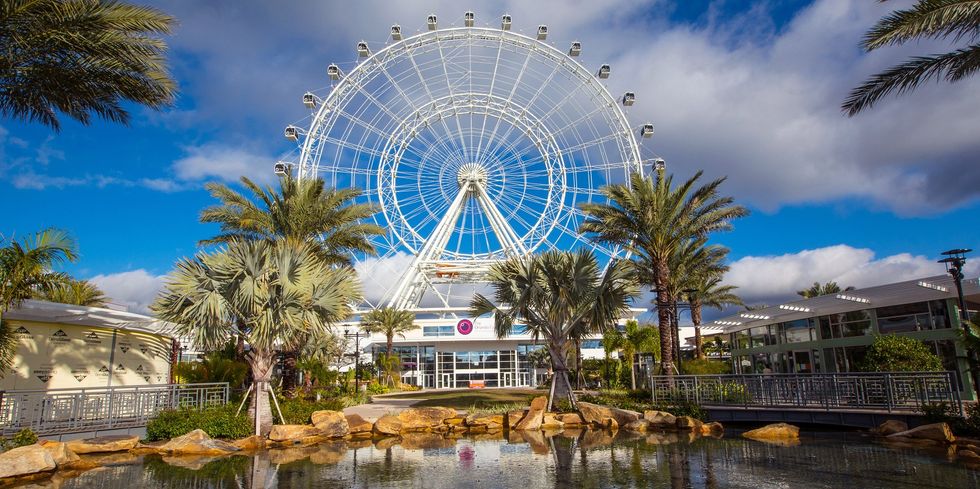
Orlando may not be as big as Miami, but Orlando is better known as the "Tourist Capital" of the United States, raking in a whopping 66 million visitors just in 2015. While it may not be as large, Orlando definitely has the infrastructure needed to host a large scale international event (with roughly 120,000 hotel rooms, the second highest in the United States behind Las Vegas). Among Orlando's major tourist attractions are some of the busiest theme parks in the world (SeaWorld Orlando, Universal Studios, and Walt Disney World). If big theme parks do not catch your attention, Orlando also hosts various attractions that are independent from the major companies (the Orlando Eye, the second highest Ferris wheel in the U.S.). Orlando is also a couple of hours away from Daytona Beach, Saint Augustine and the Kennedy Space Center.
While Orlando is well known for its touristic value, it has hosted various sports events and has good venues. Orlando houses two major stadiums - the Orlando City Stadium (capacity of 25,000) and the Camping World Stadium (capacity of up to 65,000 - home of the Citrus Bowl, an event on par with Miami's Orange Bowl). The Amway Center is also housed in Orlando, hosting large events in the thousands such as the 2012 NBA All-Star Game. In addition, non-sports complexes include the Orange County Convention Center, the second largest convention center in the United States (with total space at about 7 million square feet and 2.1 million square feet of exhibit halls). Other venues include the CFE Arena at the University of Central Florida and Disney's ESPN Wide World of Sports Complex (although a negotiation between the IOC and Disney Corp. may not be too realistic due to issues with public image on corporate influence).
While Orlando may accommodate mass tourism, it may need to improve accommodations of mass sports events. The city may need to expand its sports venues to show the U.S.O.C that it is able to accommodate multiple sports events at once. For tourism, however, Orlando's massive tourism industry is not to be disputed, and the city has proven that it can hold massive waves of tourists from all over the world.
Other Cities
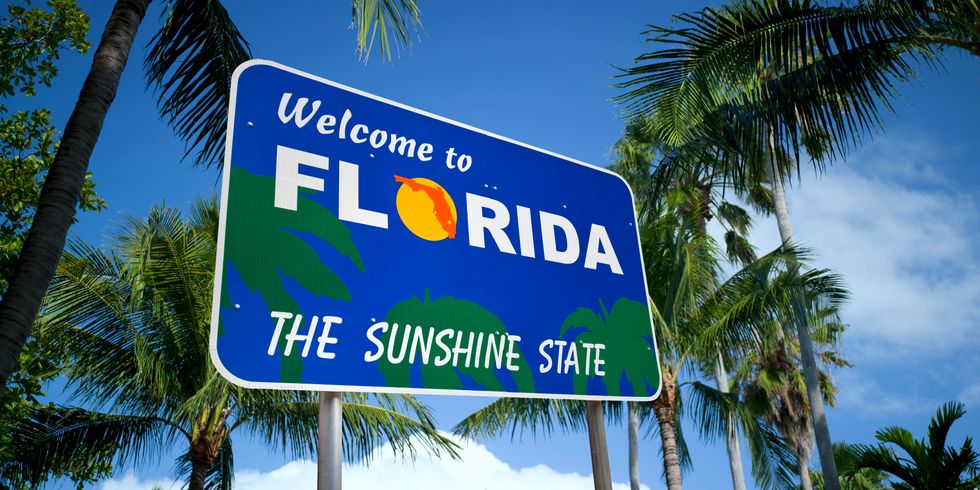
While Miami and Orlando seem to stand out, other cities can still make a bid. Tampa and Jacksonville both are large cities that are tourist friendly, but they would need to definitely improve their infrastructure to hold such a massive international event. Another likely bid would be from the Panhandle; alone, Panama City, Tallahassee and Pensacola may not be too strong, but if they were to follow the (planned) example of Malaysia and Singapore, pooling their resources together on a single region, it is likely they can make a strong case.
As for the Winter Olympics, Florida is very unlikely to host them (because you know, it's Florida), but it could perhaps be thrown out there. Ice-based sports (like hockey and skiing) don't have a long history in Florida, but it's not too late to at least go for an artificial gimmick. The 2028 Games are already facing strong competition as noted by a fellow Odyssey writer, and the IOC may vote for the 2024 and 2028 Summer Games at the same time for the first time in its history (in other words, a double vote), so we might have until the late 2020s to make a strong bid.
With new infrastructure projects like SunRail, Florida grows and prospers with an increasing population, and a "Floridian" president in office, Florida may have a good reason to set eyes on an Olympic bid in the near future.