When talking about feminism and the women who helped spur that movement, I believe the women of ancient civilization and the Middle Ages are sadly overlooked. Many of these women are known as "seductress," "witch," and "she-devil," capable of using her womanly charms to seduce men in higher positions to gain power. These women created change that would have a lasting impact on future generations.
Women were classified as such because the Church believed women to be sinful. The only way to keep a woman pious and obedient was to assign her a husband, who was responsible for his wife's immortal soul. These misogynist views were then perpetuated by male historians.
Several periods saw these enigmatic queens as they moved through treacherous times with grace and dignity, using the subtle art of diplomacy. During the Middle Ages, women did not receive the same education as boys. Noble girls were taught the art of entertaining through sewing, painting, dancing, singing, or playing an instrument. They were taught how to take care of the daily housework, gardening, and to take care of the sick. Most importantly, she had to produce an heir to carry on her husband's name.
Isabella of France (1295-1358)
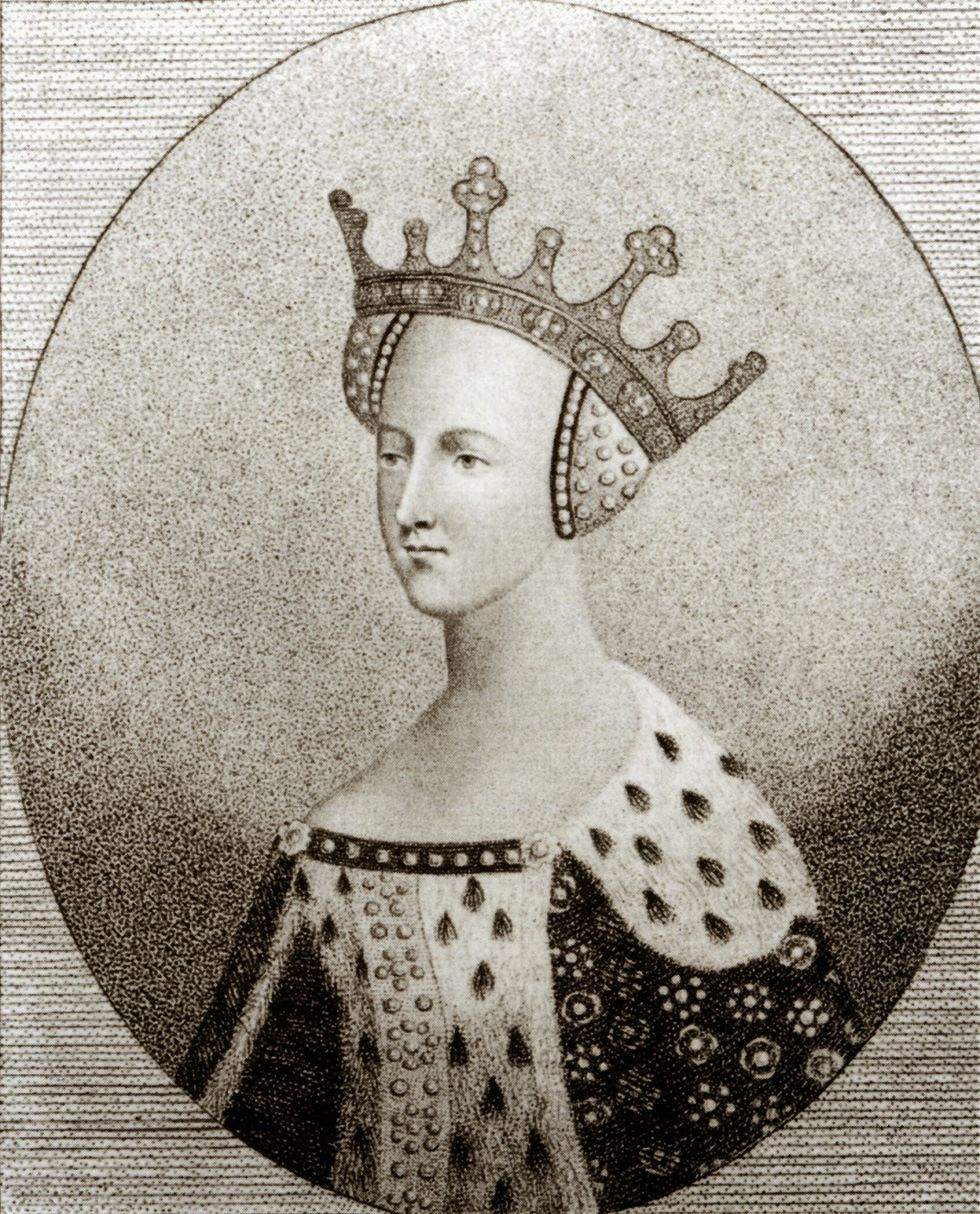
Isabella of France was known across Europe as the "she-devil" and one of the "most notorious femmes fatales in history" (Weir, Alison). She was married to King Edward II of England. She has one of the worst reputations for treachery, adultery, and murder, but does she really deserve that title? There were many times Isabella pleaded with Edward to show mercy on his subjects. Isabella arrived in England during a period of growing conflict between the king and the powerful barional factions.
Her new husband was notorious for the patronage he lavished on his favorites, but the queen supported Edward during these early years, forming a working relationship with Piers and using her relationship with the French monarchy to bolster her own authority and power. After the death of Edward's favorite, at the hands of the barons, in 1312, Edward turned to a new favorite who helped him wage war on the barons. Isabella knew Edward would destroy England, so she overthrew him with the help of her lover, Mortimer. She ruled England as regent for her son, Edward III. She acted in the best interest of her country, her son, and herself.
Elizabeth Woodville (1437-1492)
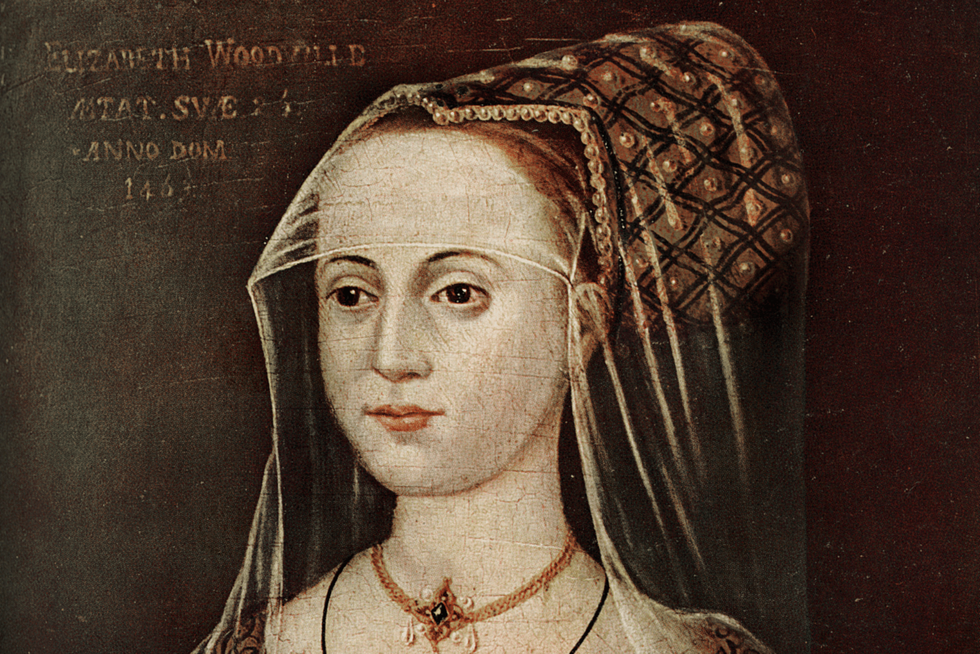
Elizabeth Woodville was born out of a relationship that cost her parents, since her mother was a duchess and her father a commoner. These relationships were strictly forbidden. Elizabeth caught the eye of the newly crowned York King, Edward IV, as he was riding nearby her Grafton home. Edward was quite the ladies man, but he fell for Elizabeth and married her without the advice of his council. Queen Elizabeth had a total of 15 children with Edward, many died before out of infancy and two of the princes' disappearance is still a mystery.
Elizabeth was called a "witch" on several occasions. There were even rumors spread that she was not legally wed to the king by her enemies. Elizabeth surrounded herself with family and trusted friends causing jealousy amongst certain brother-in-laws. She saw to it that her daughter Elizabeth of York became queen after herself. Her life seems like a story out of a fairy tale, but she lived during one of the most dangerous times; she lost her first husband, her father, several brothers, and sons to war. After her beloved king died, she still stayed politically involved until her death.
Anne Boleyn (1501-1536)

Another one of my favorite royal feminist is Anne Boleyn. She caused several of the most notorious scandals of Henry VIII's rule. First, he divorced his first wife, which was something that just wasn't done during this period; he made Anne nobility in her own right and Henry VIII separated his realm from the Roman Catholic Church, which stood in the way of his divorce of Catherine and refused to sanctify his marriage to Anne.
Anne was educated, meaning she could read and write. She was witty, determined, and brave during a time when women were for entertainment and children. She was never popular with the public as they dubbed her "The Great Whore." Henry VIII had Anne beheaded after she failed to give him a son. However, Anne gave Henry and England a beautiful red-haired girl who would take England into the Golden Ages.
These women lived in a period that had no women's rights, yet they all etched their names into history with their modern approach to life. Maybe that is why I can relate to them so well.