
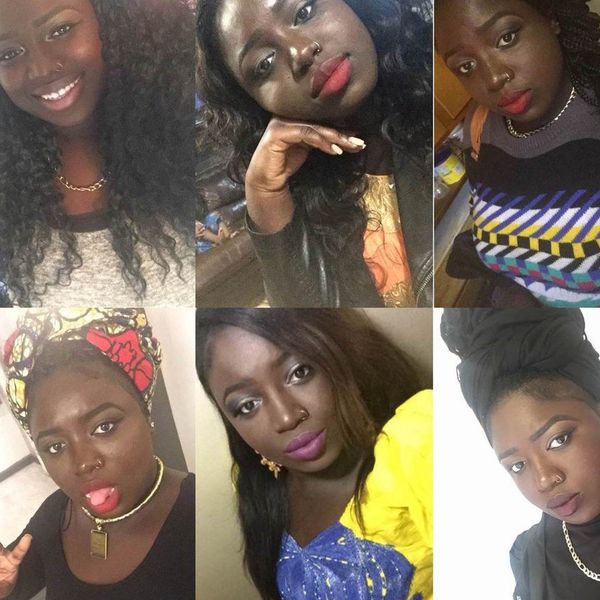
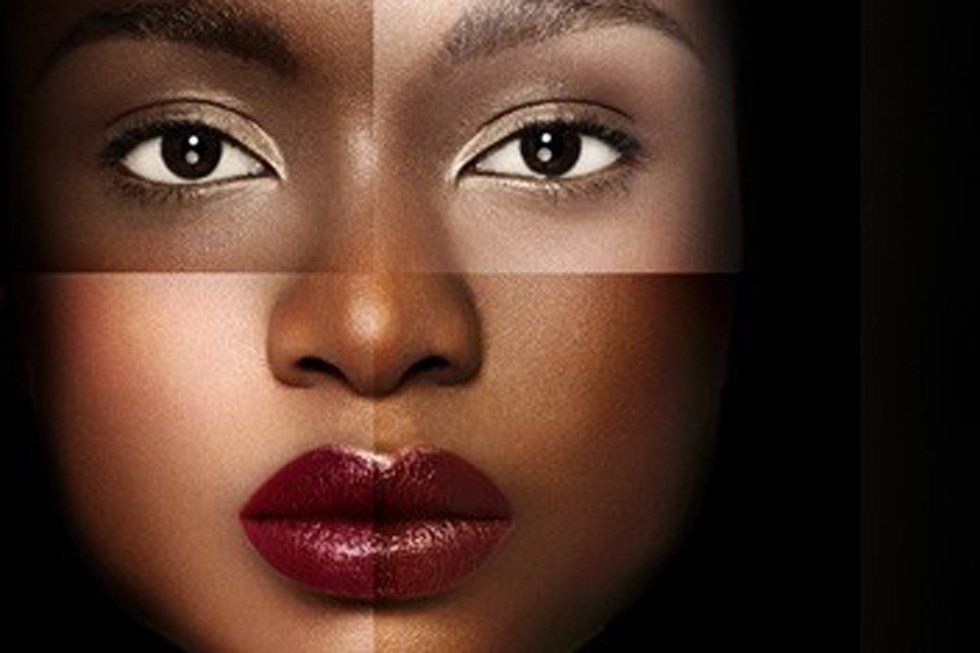
If you’ve ever wondered what it’s like to live in a world where the characteristics that you have are deemed ugly, lesser, and undesirable then look through the lens of a dark skinned Black girl. It starts when a child is very young, they are told subtle comments like "don’t play in the sun for too long, you’re already Black enough," "your nose is so huge" or "you’re cute for a dark girl." This is the beginning a lifelong journey filled with seemingly funny snide remarks and irritating microaggressions.
Throughout elementary and middle school, I thought I was ugly and I didn’t question it. When kids picked on me and called me degrading names that revolved around the fact that I was darker than them, I accepted it to be the way things were. I was the dark girl, so I got picked on; it was one of the natural laws of middle school. The same is true for many other little Black girls as well. The documentary Dark Girls included interviews from women and children who have had to deal with skin tone discrimination mostly from other Black people. Watching this documentary brought me to tears, it disgusted me that in a discussion of beauty “White was right,” and the closer to it you were, the prettier you were considered.
If you let it, the media will convince you that lightness is equivalent attractiveness. I fell for this trap early in life, and let what I saw on TV tell me what was and what wasn’t pretty. There were a few roles featuring people of color, Black women too. But you know what wasn’t on the television or in the movies? Women and girls that looked anything like me. Dark skinned women with kinky hair. If there was a Black women featured on a show or movie it was women like Halle Berry, Sanaa Lathan, or Lisa Bonet. All beautiful and talented ladies, but light or light brown skinned with thin noses and straight or loose wavy hair.
Though I grew out of it and soon realized my pure and unique beauty, some women still battle the inferiority complex that can come with having very dark skin. Skin bleaching is a multi-billion dollar industry around the world. There is a high percentage of Black women within the African continent and throughout the African diaspora that use harmful skin bleaching creams in the hopes of becoming just a few shades lighter.
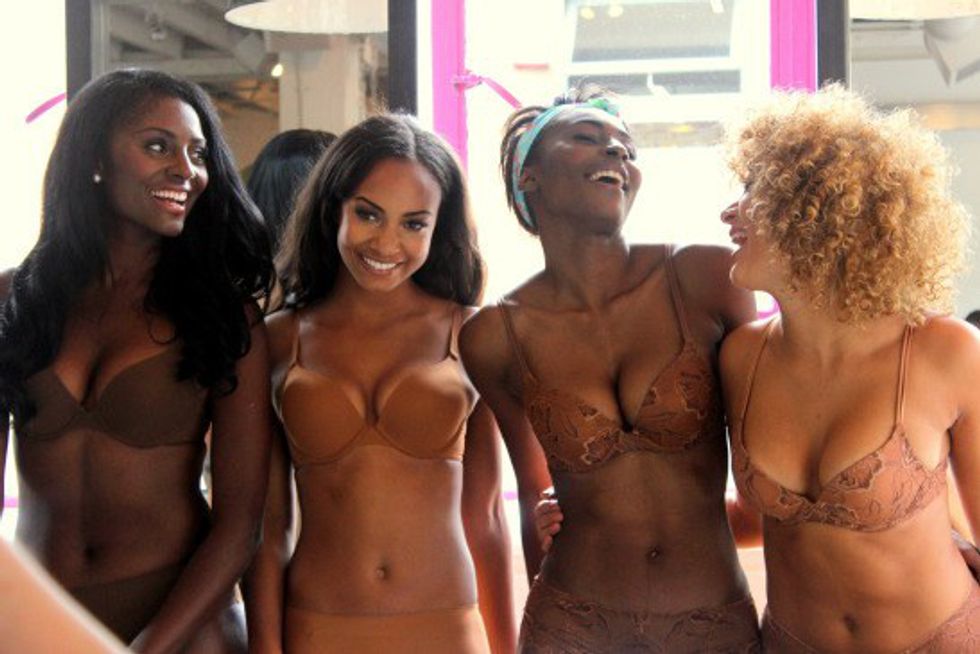
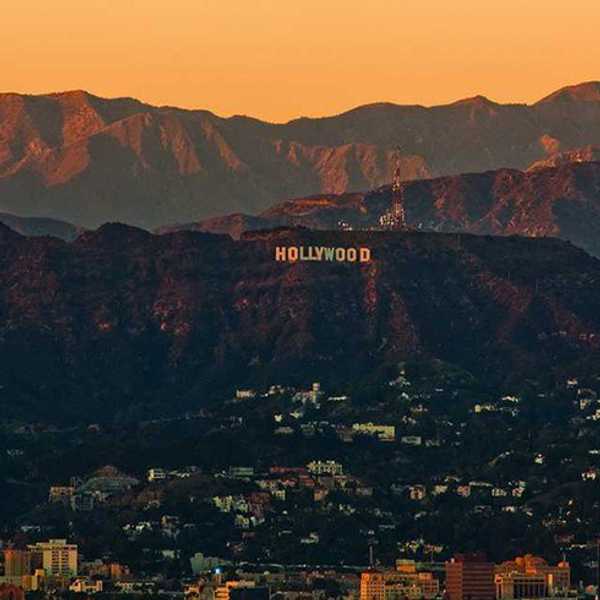
Though there has been a big push for diversity, it has mostly shown to be just talk and no real changes. New York Fashion Week Fall 2015 featured 618 models, a good majority (77.4 percent to be exact) were White, with only 8.7 percent of them being Black. White women hold 48 percent of the leading roles in Hollywood, while Black women account for just 2 percent of lead roles and 2 percent of supporting roles on TV, according to a 2014 UCLA study on Hollywood diversity. Even with big stars like Lupita Nyong'o and Viola Davis, the self-hate within the Black community toward darker women is evident.
Representation is important, and it can do so much for a child’s self-esteem. When you don’t see people that look like you on television, you can mistakenly believe that it’s because you don’t deserve to be there. Beauty is not reserved for just the lightest girls, and it's time that not only Hollywood, but commonplace people realize that.

















