


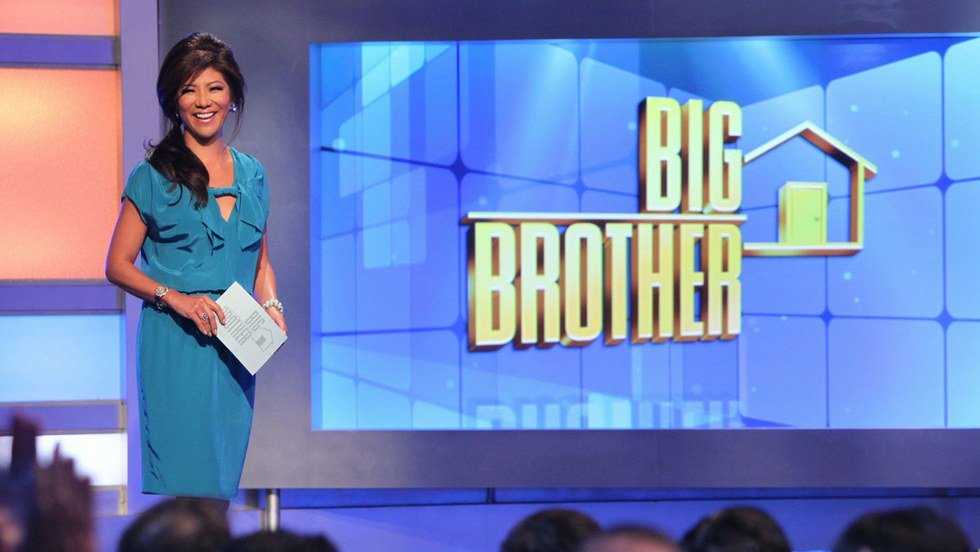
George Orwell’s famed novel, "1984," presented the idea that in a futuristic and dystopian society, “big brother” is always watching. Since the inception of this idea, the Dutch have brought the term “big brother” to a new light by creating a show in which an overarching power controls and watches a group of people, and forces them to compete and eliminate one another until a sole winner walks home with a cash prize. Thus, in 1997, John de Mol created the powerhouse reality show, "Big Brother." In 2000, the American version premiered, and the show continues today with a cult following.
The American version follows 16 people (called HouseGuests) through a three-month journey. For the majority of it seasons, “Big Brother” is formatted like this: every week on the show, a Head of Household is crowned, and that Head must nominate two people to be evicted. These two houseguests have a chance to redeem themselves in a competition -- if they win the competition, he or she can take themselves off the block and a new HouseGuest replaces is nominated. The people of the house must vote one of the nominees out of the house. The last person to remain in the house wins $500,000.
The show has a very basic format. The last two seasons have featured two Heads of Households and four nominees, in which the two Heads later compete to be the sole Head. It’s a change I am quite frankly not fond of.
This raises a greater question, though -- I am obviously not fond of this change, but I continue to watch the show anyway. Some of the house guests usually aren’t the brightest of people (and some can be annoying), but I continue to watch anyway. The show takes up three hours of my week, but I continue to watch anyway. Why is this? What makes “Big Brother” so addictive?
The answer can be boiled down to three reasons: The show’s competitive nature, the show’s twists, and the fact that we, as audience members, are able to watch and judge the contestants on the show.
As a reality show on three times a week, it’s easy to find yourself trapped in a hole that you cannot escape from. It’s easy to find yourself watching all three episodes just to guarantee that you don’t miss anything. This ties into the fact that during each of these shows there is a competition. Thursday night holds a Head of Household competition that usually doesn’t reveal a winner until Sunday night, and then Wednesday night holds a Veto competition.
Competition plays a huge role in the show, for it cannot exist without it. It also allows us, the viewers, to root for certain people to win these competitions—therefore, we have more of an incentive to tune in on these nights because we want a certain person to claim Head of Household. This also helps create an “underdog schema;” rooting for the underdog is popular in because the underdog is usually a person that America loves, but the people in the house don’t. This occurs too often in "Big Brother."
The show’s twists are another factor that plays into the “Big Brother” addiction. By so-called twists, I mean factors of the show that are new to the viewers, but more importantly new to the players. For example, in season 17, the producers brought back the “Twin Twist,” a twist that entailed two twins switching in and out of the house pretending to be the same person. If they both made it for five weeks, then they could both enter the house as a duo, making it twice as likely for one of them to walk home with the grand prize. The “Saboteur” twist of season 12 was another fun one to watch, as one HouseGuest was chosen by America to wreak havoc among the other players, and if they played long enough then the Saboteur would win money also.
The third factor that ties into the show’s addiction is the fact that we, as citizens of the United States with access to network television, are able to watch a group of people without them knowing exactly knowing. That’s the beauty of mass communication --there is an anonymity involved with the other side of mass interaction. We are able to judge these people. We are able to form conclusions based on their personalities. We are able to create a list of people who we want to win the grand prize. And most importantly, we have the option of watching these people at all times, whether they want you to or not. Now, only super fans really pay attention to this aspect, but it does happen.
I know for a fact that thousands of people subscribe to the "Big Brother" live feeds, which means that people actually pay to watch the contestants through 200 plus cameras, 24/7. It sounds ridiculous, but it happens. Disclaimer: I do not subscribe to these live feeds (cue the broke college student excuse).
These three factors, all tied together, help create the reasoning behind the "Big Brother" addictiveness. Personally, I have no regrets, and I can’t wait until the next season of this phenomenal show.

















