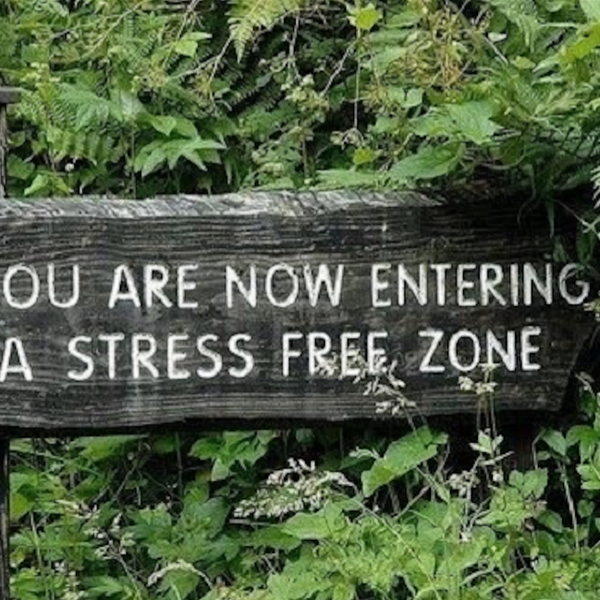


Meditation, once regarded exclusively as a spiritual practice, has received an overwhelming amount of support from the scientific community in recent years.There have been over 3,000 studies in regard to the effects of mindfulness meditation on mental, emotional, and physical health, many of which have been unheard of until recently. Practicing mindfulness meditation is no longer just a spiritual activity; it has transformed into a health and science movement.
1. Research has shown that meditation does wonders for your overall happiness by increasing positive emotions, satisfaction with life, and self-acceptance.

Meditation also works in the reverse by decreasing negative emotions such as pain and sadness. By reducing negative emotions, increasing positive emotions, and encouraging you to make healthier decisions for yourself, meditation increases the overall quality of your life.
This increase in positive emotions and satisfaction with life can also boost your resiliency in troubling or difficult time; this means that when the going gets tough, it won't be tough for long.
2. Studies have also shown that meditation is a great way to reduce stress.

163 different studies suggested that meditation had a positive effect on improving anxiety and stress. In one study, 90% of research participants with clinical levels of anxiety experienced significant reductions in anxiety after practicing mindfulness meditation.
While meditating, your brain is actually physically re-shaping itself, as well as activating the "rest and digest" part of the nervous system that aids in stress management.
Reducing the stress you feel now is an important way to reduce your chance of experiencing stress-related illness later in life or exasperating current conditions (heart disease, depression, anxiety, etc.).
3. Practicing meditation can give you a more positive view of life.

A University of Wisconsin study showed an increase of activity in the left frontal lobe after eight weeks of meditation. This area of the brain is involved with positive emotions and has been shown to be more active in people who tend to be more optimistic.
4. Meditation improves concentration, focus, attention, and memory.

Researchers have found that, "those trained in meditation stayed on tasks longer and made fewer task switches."
After just 11 hours of meditation, participants in one meditation experiment experienced more structural changes in their brains; this time, the part of the brain that monitors self-control and focus had changed and improved.
Those who practiced meditation may also be less likely to experience memory loss.
5. Meditation can improve your social life by increasing social connection and reducing loneliness.

Studies with married couples have shown that mindfulness meditation also helped to improve the quality of time spent together and communication.
The benefits of meditation on interpersonal relationships are not exclusive to marriage, however. A study performed by The University of Rochester showed that an increase in relationship satisfaction was also prevalent among frequent meditators.
6. Creativity is fostered by meditation.

People who participated in mindfulness meditation scored lower on brain rigidity tests; this means that their minds were more free to come up with new and creative ideas.
A study at Leiden University in the Netherlands found that "divergent thinking" was promoted by "open monitoring" meditation (a type of meditation that observes thoughts over time). Divergent thinking facilitates a person's ability to come up with an abundance of new ideas.
7. Meditation may also slow aging.

Some studies have shown that meditation facilitates the physiological change in the brain to slow the progression of aging.
Elizabeth Hoge, a researcher at Harvard University, did research involving the telomeres, the caps on chromosomes indicative of biological age, of people who meditate; her study found that people who meditate have longer telomeres and, possibly, longer lives.
8. Meditation increases your ability to accept yourself and other aspects of life around you.

Mindfulness meditation can help you find yourself and help you feel more comfortable in your own skin by learning to accept that which you cannot change.
Practicing meditation can also increase your ability to feel empathy and compassion for others, as well as promoting an attitude of helpfulness.
9. Improvements in cardiovascular health, and even the immune system, were seen in people who participated in mindfulness meditation.

Meditation has been found to help lower high blood pressure, as well as affect genes that control the immune system. A study from Harvard Medical School showed that participants experienced an improvement in, "mitochondrial energy production, consumption, and resiliency," and subsequent increase in immunity to illness after participating in mindfulness meditation.
10. Meditation is also beneficial for younger children.

Children can experience the same benefits of meditation that adults can at a much younger age. Meditation in young children has been found to increase self-esteem, performance in academic tasks, and reducing substance abuse. Starting mindfulness meditation and other meditation practices at a young age significantly reduces health problems experienced later in life as well.
11. Meditation helps with physical and emotional healing.

An interesting case study found that just saying the "om" sound before surgery aided in surgical preparation and physical recovery after the surgery.
Meditation is also extremely beneficial for providing emotional balance that is crucial to emotional healing after a hurtful or traumatic event.
Try this and see what all these studies are talking about:
Find a nearby peace of paper and write down how you're feeling right now. Are you stressed, anxious, sad, upset or are you relatively content? Once finished, flip that piece of paper upside down and forget about it.
Now, spend just five to ten minutes practicing mindfulness meditation. Sit in a position that is most comfortable for you, but still allows you to keep your back straight and engaged. Place your hands in a position that is comfortable for you as well, be it flat on your lap, folded, or in the well-known Jnana mudra (pictured below).

Once you are all settled, close your eyes and focus on your breathing (try to breathe through your nose as much as possible). Feel how your stomach expands and contracts when you breathe in and out; notice how the air feels as it passes through your nose and down your throat. Let a feeling of inner and outer settledness wash over you as you breath.
Count your breaths. Inhale and exhale - that's one. Count your breaths until you reach 10; once you reach 10, start over at one. If, at any time, your thoughts become clouded by anything other than you counting your breaths, acknowledge the thoughts and wish them away gently. Continue counting.
Once you are finished, notice how you feel; write it down, if you have to. Compare this to what you wrote down before you started meditating. Are you feeling more settled and more aware? Do you feel happier, even just a little bit? Can you imagine how you would feel if you did this for just five to ten minutes every day?
Just think about how much the quality of your life could improve if you just took a few minutes every day to focus on absolutely nothing else except for yourself. Meditation isn't just for Buddhist monks anymore. You, too, could be experiencing these same health benefits, and maybe even more.