Have you ever regretted something so intensely that it stabs your heart with a serrated knife every time you think about it? My regret is that in 2012, I elected Ted Cruz as a Texas senator. It’s been my greatest shame that I voted for the misogynistic, homophobic, NRA-backed politician for the Senate, and has taught me the important lesson of knowing who you’re electing in that ballot box.
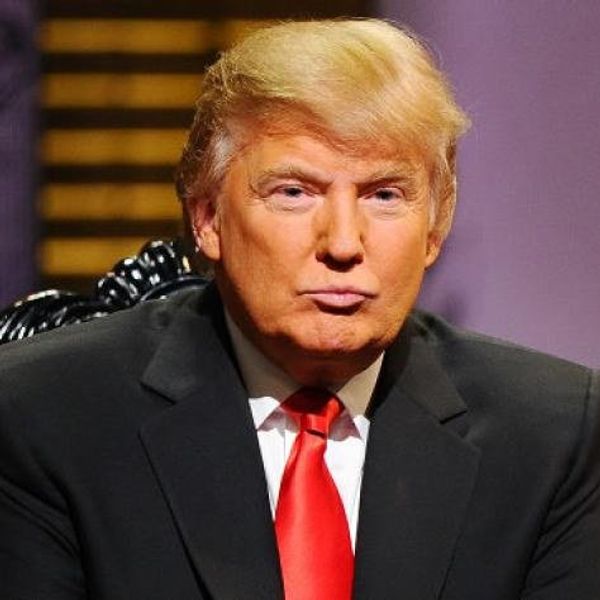
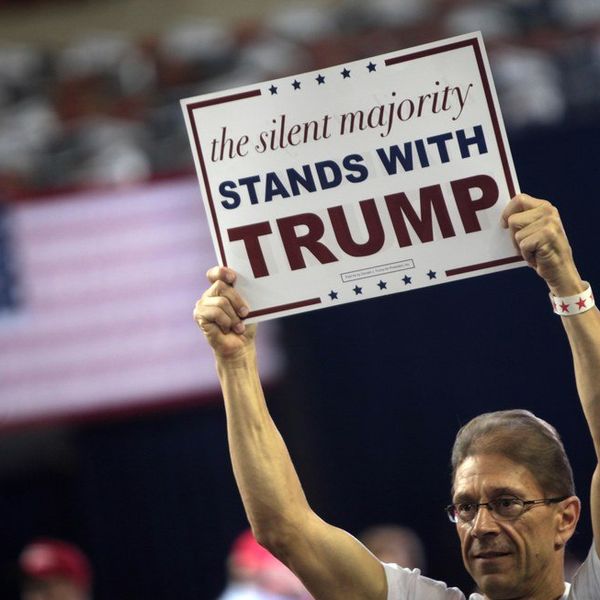
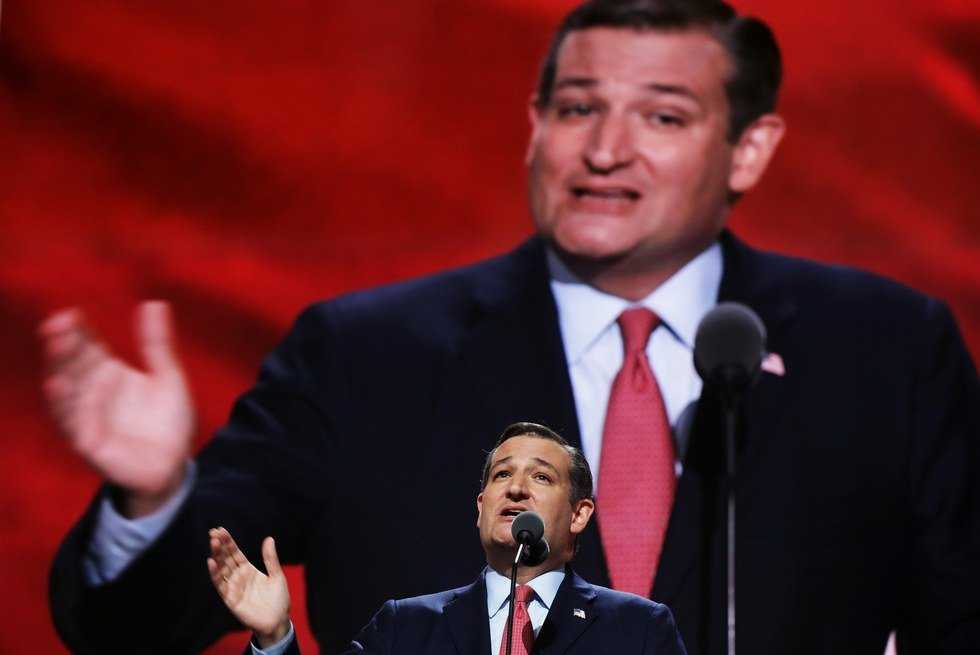
But last Wednesday, Cruz’s refusal to endorse business mogul and Republican nominee, Donald Trump, at the Republican National Convention in Cleveland and plea for voters at home to “vote your conscious” certainly upset the crowd. While Trump seemed nonchalant about the rejection, the Texas delegates angrily confronted Cruz the following morning criticizing him for not following through with his pledge to support the chosen nominee. His response: "That pledge was not a blanket commitment that if you go and slander my wife I am going to come like a servile puppy dog.”

Now, Cruz isn’t the first Republican to denounce Trump’s bid for president. Many notable Republicans including Mitt Romney (former Massachusetts governor), Sen. Lindsey Graham (former presidential candidate), and former Rep. Ron Paul have ardently remained in the Never Trump camp. What makes Cruz different is his timing, which couldn’t have been any better. With 23.4 million readily tuning into the third night of the RNC, the audience outside of the crowd of Republican delegates present was his primary target. With all eyes on him, Cruz was able to push his message to indecisive swing voters across America all on live television.
You see, Ted Cruz is no fool. He strategically positioned his refusal of Trump for this one exact moment. He was not well received in his decision, but it was a huge gamble to promote his own message of how the GOP was founded on freedom and that future of freedom would be decided with clear reason, not fanatical irrationality. Though Cruz might have proven he’s no “servile puppy” the real reason behind his rebuff is still the subject of speculation.
One theory that has not been discounted is that Ted Cruz is retaliating against the public jabs Trump callously said about Cruz’s family. Trump tweeted an unflattering picture of Heidi Cruz, his wife, and doubled down on his statement that Cruz’s father, Rafael Cruz, helped assassinate JFK, sourcing this info from a National Enquirer photo of Lee Harvey Oswald and Rafael Cruz eating breakfast together. It could be likely that Cruz refused to hop on the Trump wagon out of pure spite for the man who demolished his bid for president and repeatedly flung unfounded insults at him (I guess we’ll never know if he’s the Zodiac Killer.) To Cruz’s credit, he never directly criticized Trump, but its Cruz's omission in the face of the crowd’s cries to “endorse Trump” on national television that acted as Cruz’s blatant backhand slap to the nominee.
Then again, Cruz could have been truly speaking from the heart about his dedication to stand by the principles of that the GOP was founded by. In the beginning, Cruz mentions the heartbreaking story of a little girl who’s policeman father was gunned down in Dallas. Cruz’s emotional angle silences the crowd and his message of what is really at stake in this election is loud and clear. Cruz’s continues his speech praising Republicans on how essential they have been to social change in America. He credits the ingenuity of Americans in landing a man on the moon (during John F. Kennedy’s [D] term), assisting in the passage of the Civil Rights Act (again, Lyndon B. Johnson [D]) and reminding them that the GOP was created to abolish slavery. Cruz also stands by how the Republican Party has been a champion of the rights for states to choose their own education system and defending religious freedoms. By building up the Republican Party as this magnanimous entity he encourages the people he’s praised to “vote” with reason, instead of along party lines. We haven’t seen many people promoting morality over party loyalty, it just isn’t something done in politics without good reason. Perhaps Cruz’s is offering himself up as an example to the party that they don’t have to support the nominee if that is against their better judgment.
The most convincing reason for me is that Ted Cruz took advantage of the GOP convention spotlight to open up his future bid for presidency in 2020. Should Donald Trump fall flat on his fat orange face come November, Cruz can easily separate himself as politician that didn’t buy into his madness and even fought against it. Even if Trump did win this election, and inevitably fall on his face, Cruz could portray himself as the strongman authority figure who’d theoretically rescue us from Trump’s insanity. If Hillary Clinton won the White House, Republicans will be desperate to replace her with anyone come 2020. Also the criticism Clinton would likely draw during her term as president might be enough to have the every GOP member racing back to Ted Cruz. Cruz would be the optimal choice because of his large turnouts during primary season as well as his stalwart dedication to Republican values. So it wouldn’t necessarily matter to him who wins this election, he’s already working on the next.

Whatever end result comes this November, we are sure to see Ted Cruz’s name pop up more and more these next few years. I don’t agree with Ted Cruz in any way, shape or form, but I have to say he’s the only Republican I’ve seen defy the Trump campaign on such a decisive level. That takes guts, and for that I can say he’s gained a little of my respect as a politician.