
The crisp, mellow scent of fall has officially arrived, my dear friends. As the changing of the season often brings about a changing of our lives, the goals we create to shape our lives often change too. Goal setting is quite popular nowadays, and the concept seems simple. We write down what we want to accomplish, establish a deadline, and use various resources to reach it. In fact, I used this method to an umpteenth degree, separating my goals between what I wanted to accomplish physically, academically, and spiritually.

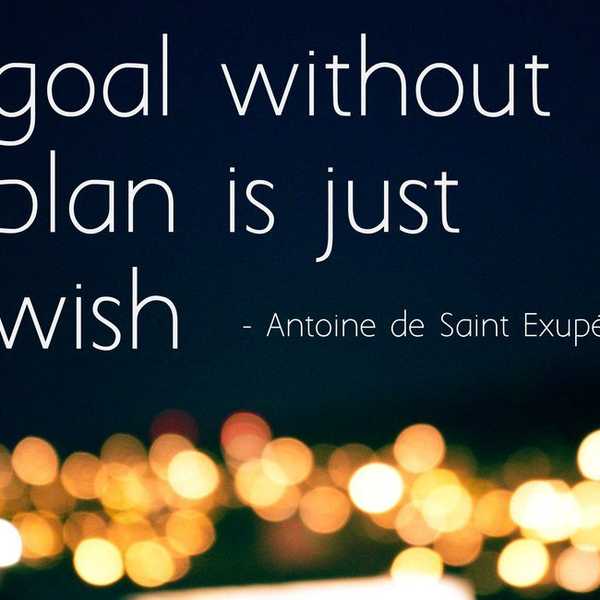
I did this for about two years, and although I accomplished a lot with it, I came away with one conclusion: goal setting isn't enough. Typically, it can lead to three outcomes:
1. You complete the goal and move on to an enhanced version of that goal (lather, rinse, repeat).
2. You complete the goal but are left saying "what next," leading to either apathy or contentment.
3. You are unable to complete the goal and face a lack of motivation to continue.
The underlying issue is that goals are treated as destinations leading to happiness, thus the emphasis is placed on the goal itself rather than how to achieve it. To quote the famed poet Ralph Waldo Emerson, "Life's a journey, not a destination," and this is how we should approach progression.
Journey Setting: Growth vs. Fixed
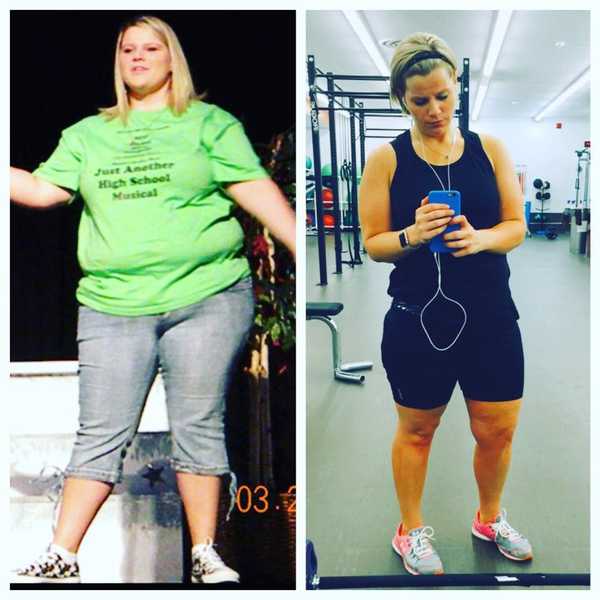
Consider this scenario: it's summer time and you're at home sitting on your couch, snack food optional. You sit back and think, "I could lose some weight, I'm going to drop ____ lbs. in a month." You try a variety of methods and diets, but nothing consistent. When the month finally ends and you see that you have lost only some weight, you hang your head in disappointment. So, what happened? According to Carol Dweck, author of "Mindset: The New Psychology of Success", you came in with a fixed mindset. She explains:
"The idea that one evaluation can measure you forever is what creates the urgency for those with the fixed mindset. That's why they must succeed perfectly and immediately."
Contrast that with a growth mindset based on perpetual growth and learning over fixed outcomes, and suddenly you have opened up a whole new world. Take that same scenario mentioned before, but change one thing: you sit back and think, "I could lose some weight myself. I'm going to see how much weight I can healthily lose." When the month finally ends and you see that you have lost some weight, you look back and say, "Wow, I have made some progress!" So, the only difference between the two outcomes, aside from the reaction, is that they were each predicated on how you approached your end game, whether you chose to set a finite goal, (a destination), or set an open path to results, (a journey).
But Chan, are you saying that you shouldn't be specific with you plan? On the contrary, I implore you to be specific for the plan itself, but not for the end game.
But isn't that an excuse for settling or being complacent? Not at all, being complacent would require you to take NO action whatsoever and settling for your current state of affairs instead of making improvements. Think back to my reference to fall in the introduction, specifically trees and leaves. They gradually change colors, with the foliage naturally going to a state that needs rebirth. While spring may be popular as the "season of new beginnings," be like fall, the season of constant change.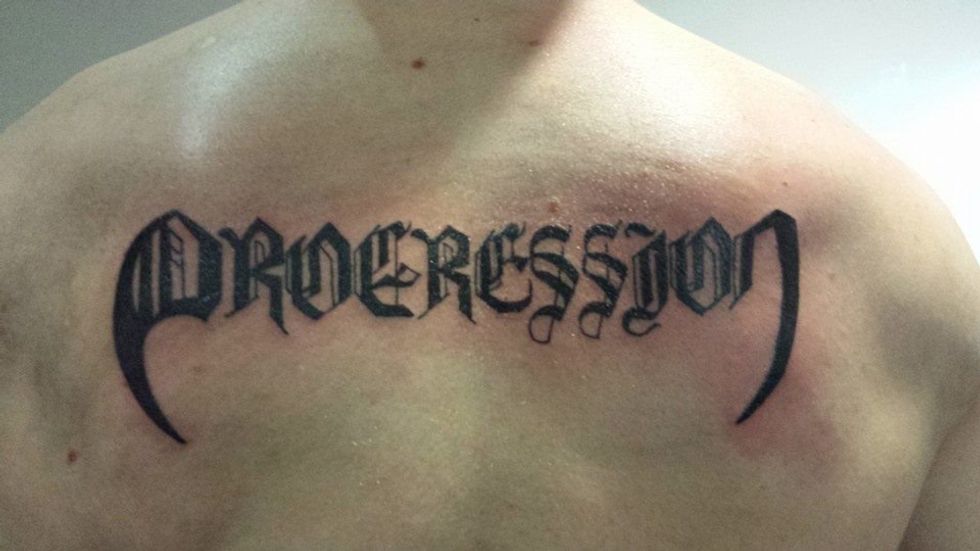
Journey Setting in Action
Take a look at the following goals for success:
- I want to save $1,000 dollars by the end of the season.
- I want to get my Bachelor's degree.
- I want to earn my blue belt in jiu-jitsu by one year.
Each of these are admirable and based on good intentions, yet they are also finite goals, destinations, the point B from where I was to point A. These are the goals I had set up over the past few months, but whose to say if I will achieve any of them?
Now let's change the wording slightly:
- I want to be more frugal and save towards more important things by setting budgets.
- I want to see how far I can go in my education through college and self-learning.
- I want to learn more techniques in jiu-jitsu and grow in the sport by attending more sessions and watching seminars.
By doing so, I have set up daily routines and practices that can help me out for the next few decades with enough dedication, not simply checking off monthly goals on sheets of paper. It is a way of progression in mind, body, and spirit, with point A or point B not a factor, simply the line that separates them.
So the question to you is this: Do you want to set your life map to specific destinations, or do you want to focus on the journey, and be surprised at the results?